-1.png?width=500&height=500&name=LJI_MAINLOGO_WhiteBackground%20(1)-1.png "love-justice.png")
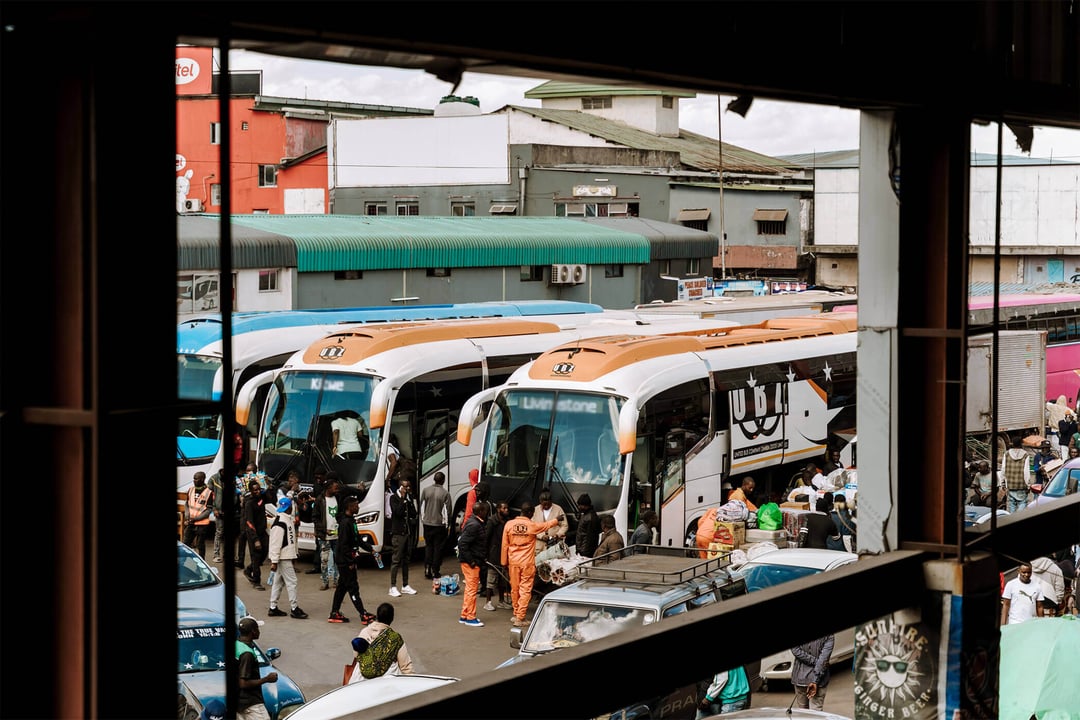
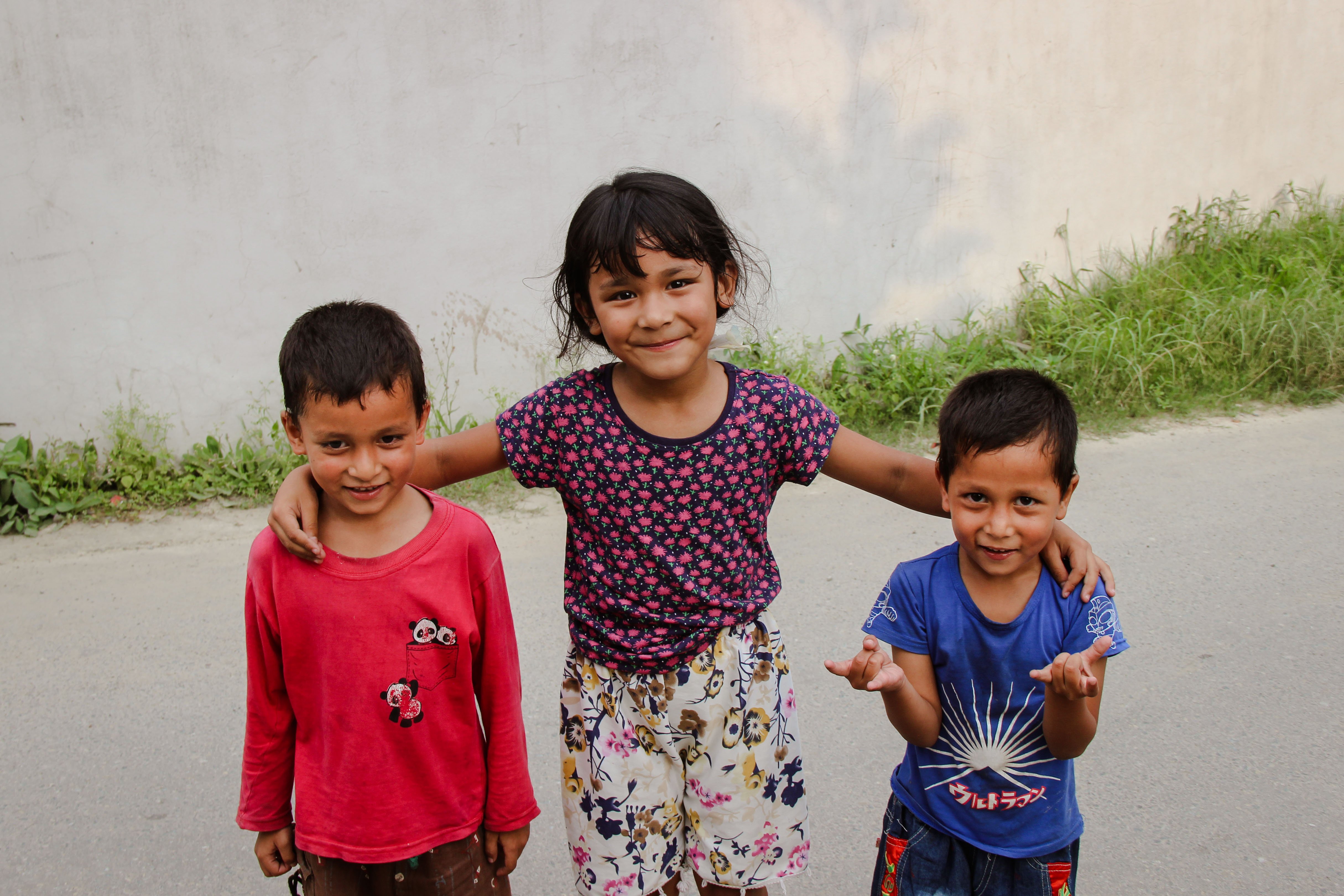
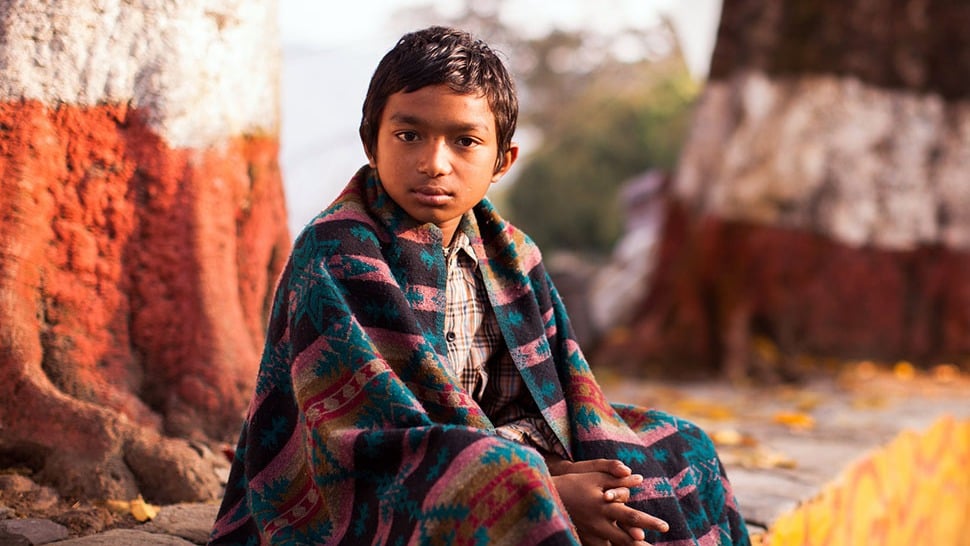
Trafficking rarely looks like the movies. More often it looks like nine boys with backpacks, a promise of $120 a month, and a neighbor they had known their whole lives.
Your partnership helped stop a trafficking scheme in South Asia—nine underage boys reached just in time, before they crossed the border into a situation that almost certainly would have ended in exploitation.
A Neighbor's Promise
The boys were neighbors of a 25-year-old man we'll call Ramesh*.
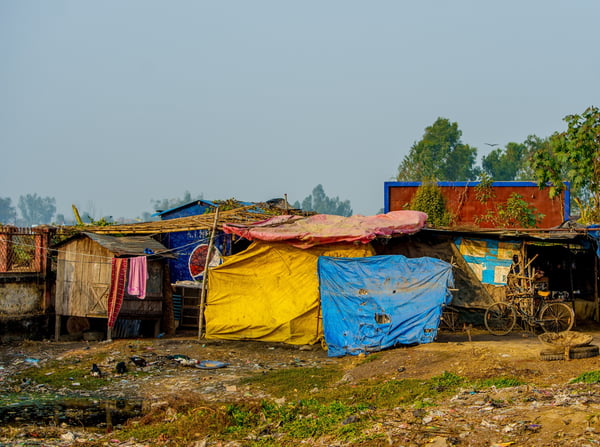
He told them about a job at a chicken farm across the border in India. The pay was INR 10,000 a month—about $120 USD. For families in their village, where many of the parents earn less than that in a month working long hours of physical labor, that figure carried a kind of weight that's hard to overstate. It was opportunity. It was relief. It was the chance to send something home.
So when Ramesh asked the boys if they wanted to come, they said yes. None of them were old enough to legally work abroad—most were under 16. They didn't tell their families. They just packed their backpacks and made plans to travel together.
To a boy whose family is struggling, $120 a month doesn't sound like a trap. It sounds like an answer. The trafficker didn't have to coerce anyone. He just had to offer.
The Moment That Stopped Everything
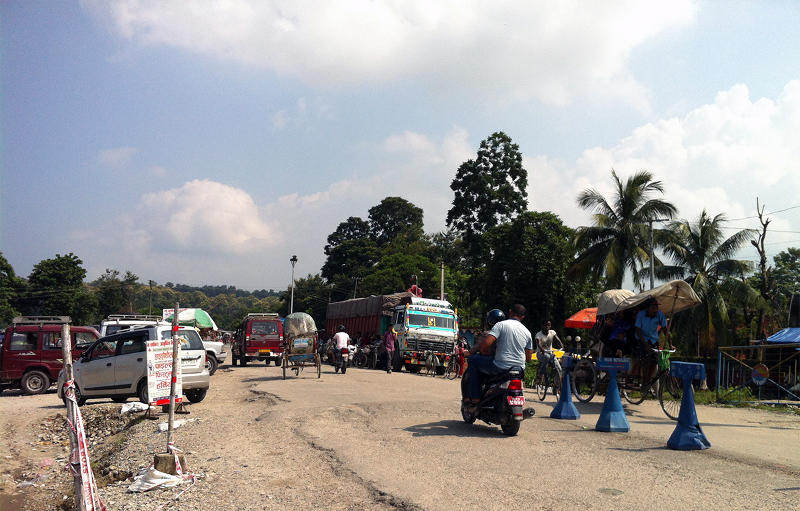
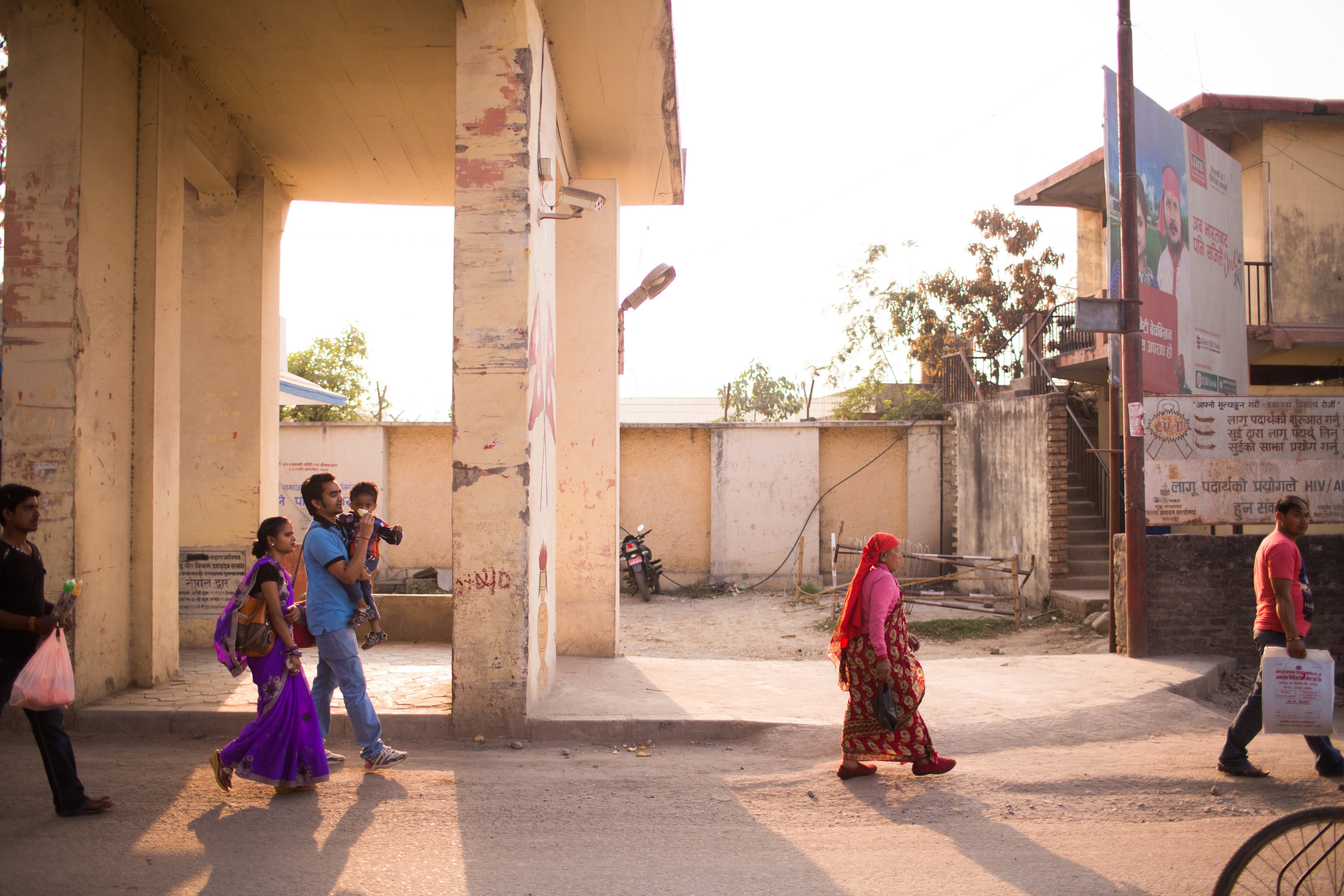
The boys arrived at the bus park together. Nine of them. Backpacks. No adults. One of our team members noticed.
A group of teenage boys traveling alone, no parents in sight, holding close like they weren't quite sure what came next—the very things our teams are trained to see.
Our monitor walked over and started a conversation. Where are you headed? Who are you traveling with? Do your parents know?
The boys' answers were vague at first. The more our team listened, the clearer the picture became. The "recruiter" wasn't traveling with them. None of them had documents. None of them had a phone number for Ramesh or anyone on the other side. None of them had told a single person at home.
The picture became clear slowly ... and then all at once.
🚩None of them were old enough to legally work abroad.
🚩None of them had told their families.
🚩None of them had any way to come home if things went wrong.
What Was on the Other Side of That Border
What the boys didn't know—and what their families didn't know—is that the "job offer" they received fits a recognized recruitment pattern, one our teams in South Asia document hundreds of times a year.
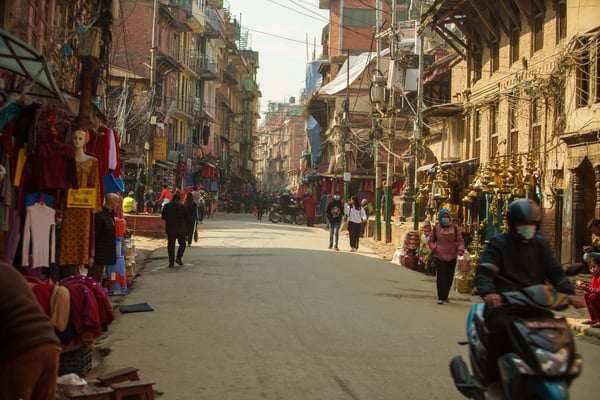
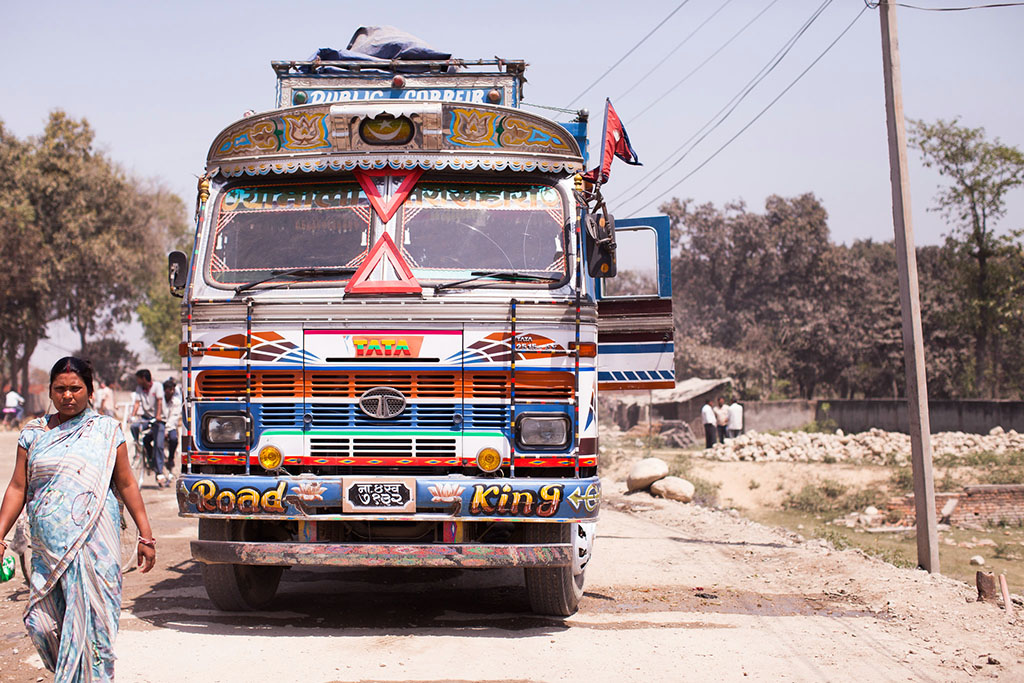
The Nepal–India border is one of the most-trafficked corridors in the world. People cross it for legitimate work every day. They also cross it after being deceived by promises that don't survive the journey. The International Labour Organization estimates that millions of children are trapped in labor exploitation globally, with South Asia bearing a disproportionate share.
The "factory job abroad" pattern is one of the most common in this region. A trusted person—a neighbor, a relative, a friend of a friend—offers the kind of money that sounds impossible. The job is real-sounding: chicken farm, garment factory, hotel. The family signs off, or simply isn't told. And the person crosses a border into a situation they can't get out of.
Minors are particularly vulnerable. They are easier to recruit, easier to deceive, and harder for authorities to find once they disappear. In March 2026 alone, 74% of the people Love Justice reached were under 18. The average age was 18—meaning much of our work is reaching people on the very edge of childhood. (Read more about who traffickers target.)
Reunited
When our team's questions were finished, there was no longer any doubt. Nine boys had been recruited, separately and together, by a man with no documents, no real job to offer, no plan for getting them home, and no relationship with their families.
Our team stepped in. The boys were taken aside. Our staff explained what trafficking actually looks like, why this "opportunity" didn't add up, and why they were lucky to have been stopped. They were given food and water. Their families were called.
Every one of them was safely reunited. That's the part of the story that should be celebrated, and we celebrate it. But this particular story doesn't quite end there.
No legal case was filed against Ramesh. The boys' families, when contacted, weren't willing to pursue one. The reasons are their own—fear of retaliation, the closeness of village relationships, or simply not being ready to confront what almost happened. Often our interceptions do lead to meaningful legal ramifications, but this type of ending is also the reality of trafficking work.
Why This Matters Beyond Nine Boys
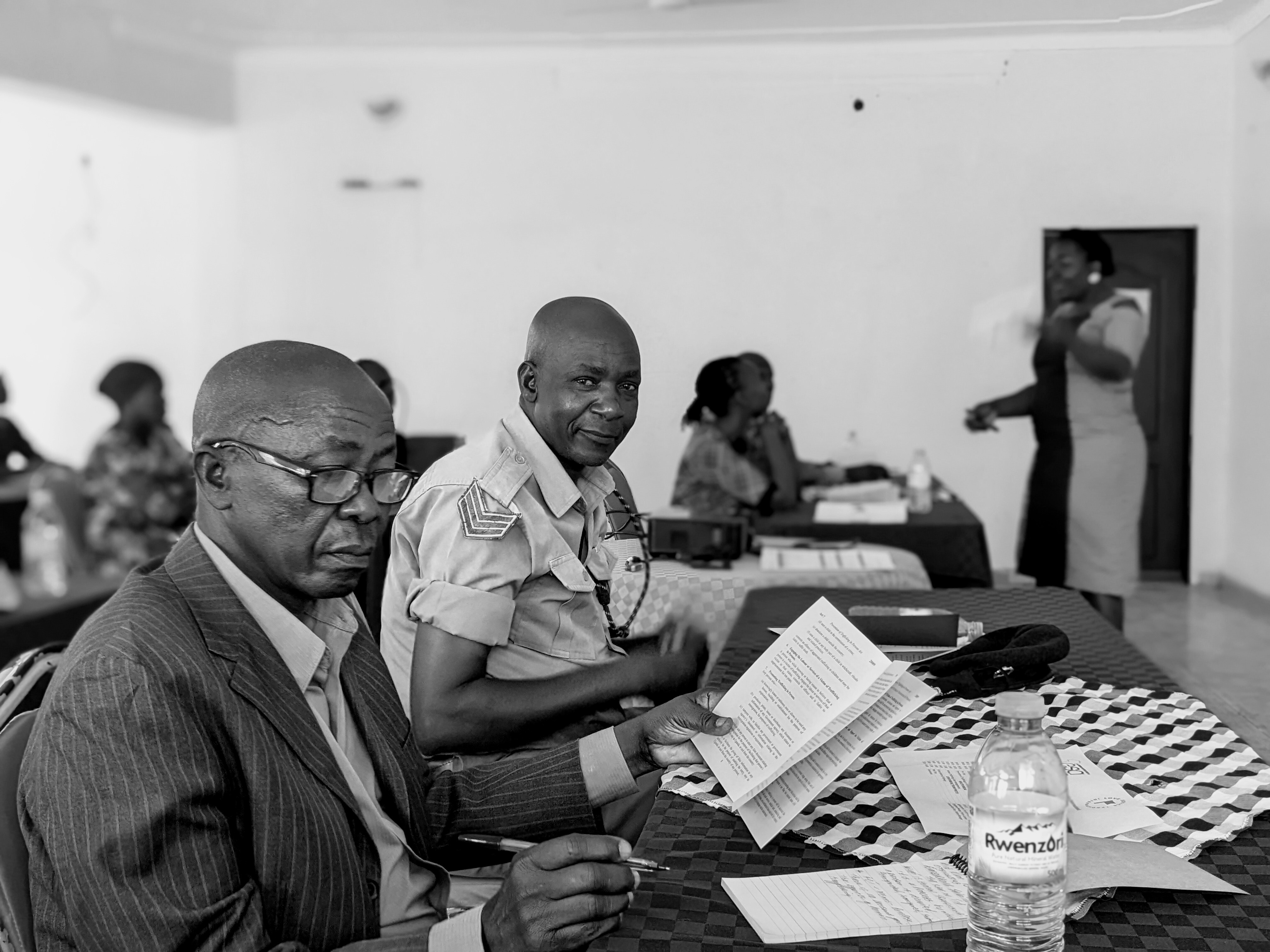
What stopped these nine boys from being trafficked into slavery was not a single dramatic moment. It was just a small, patient, ordinary practice that our team carries out hundreds of times each month in 17 countries around the globe.
Love Justice's work is built on a simple idea: trafficking has to happen in transit. The trafficker has to move the victim from where they are to where they are going to be exploited. There is almost always a window—a bus station, a border crossing, a transit hub—between the recruitment and the destination. And in that window, with trained people watching for the right signs, trafficking can be stopped.
Love Justice exists to drive the downfall of slavery by disrupting human trafficking in transit. Most of that work is preventing exploitation before it begins.
The bus park where these nine boys waited is one of dozens of places our teams watch. The questions our staff asked them are the same questions trained team members ask hundreds of times a month. Not all of these conversations end in an interception. But many do.
This is what stopping trafficking before it starts actually looks like. Built on hundreds of thousands of data points that have informed training, observation, and the willingness to ask a stranger a few questions—on what otherwise would have been another ordinary day.
The Impact You Make Possible
Because of partners like you:
- Nine boys are home with their families tonight.
- A recruitment pattern is further documented for the larger dismantling of networks.
- One trafficking plan was stopped before exploitation could begin.
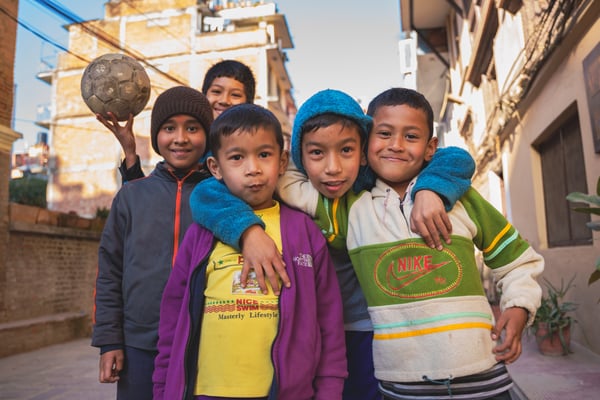
Your gift is what makes this kind of moment possible—not occasionally, but every day, in cities and at bus stations and border crossings across Africa and Asia. Every intervention matters. Every conversation at a bus park has the potential to change a family's life. And every act of generosity makes the next intervention possible.
These nine boys will never know your name. But they are home tonight because of you.
Take Action
There is still so much to do. If this story moved you, here are a few ways to step in:
- Share this article with someone who may not know what trafficking actually looks like.
- Become an Intercept Partner through monthly giving—the most reliable way to keep our teams on the ground at bus parks like this one. Right now, your first entire YEAR of giving will be matched for 2x the impact.
- Make a one-time gift to fund the next intervention. Every dollar will be doubled for twice the impact!
- Pray for our teams both in South Asia and around the world, and for the families they serve.
*All data and statistics current at the date and time of publishing. Names changed and specific locations excluded for privacy and security purposes. Images are representative.


/bimala_feature_blog.webp)
/young_woman_asia.webp)


-1.jpg)
/girl_field_walking_africa_3.webp)
/end_human_trafficking_Rwanda_Tanzania.webp)

/woman_africa_beige_sweater.webp)



Post a comment