
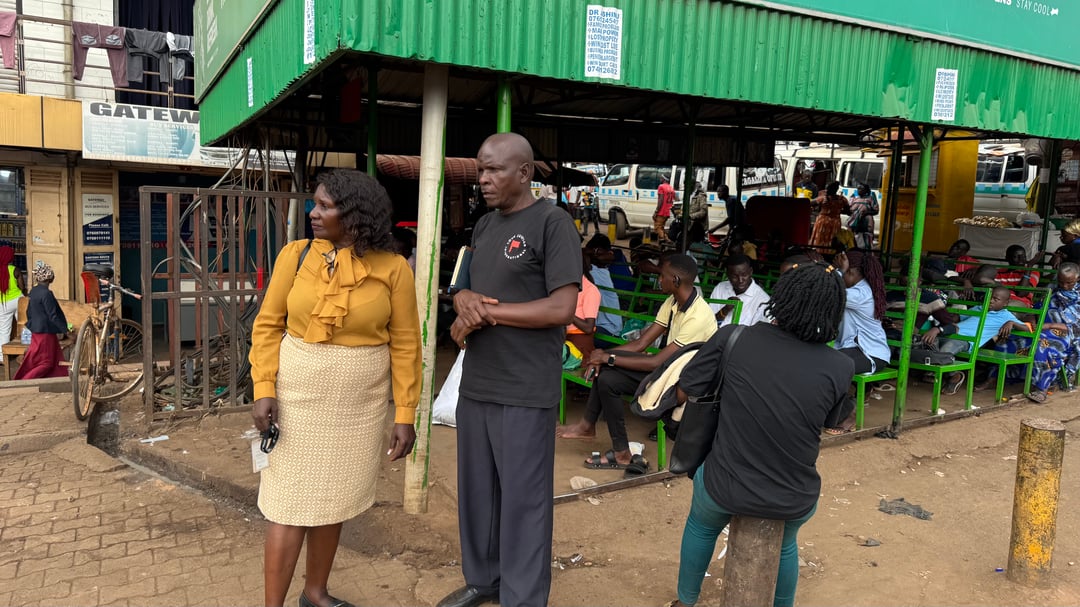
She couldn't speak, but she managed to hand them her phone number before the other woman pulled her away.
Our monitors were on night patrol in Bignona, in southwestern Senegal, outside a bar. They had already stood there for a while, watching. There was something off about the young woman at the entrance—the way she stood too still, the way her eyes moved. She looked, they would later say, like someone who needed help and was not allowed to ask for it.
She was not allowed to. The moment they moved toward her, another woman at the bar intervened—a hand on her arm, a word, a redirection. She was pulled back inside before any real conversation could happen.
But not before she had passed them a phone number.
What they took from her
When the team was able to contact her again, slowly, over the next several hours, her story came out. She was one of five who had been recruited from Sierra Leone with the promise of restaurant jobs. The offer had come through someone who seemed to know what she was doing. She offered to pay for their travel and said good jobs were waiting. It was a promise of a future light-years better than the one back home.
But when they crossed the border into Senegal, the recruiter took their passports and phones. She told them they owed her a debt they had never agreed to, in a currency they had not been quoted.
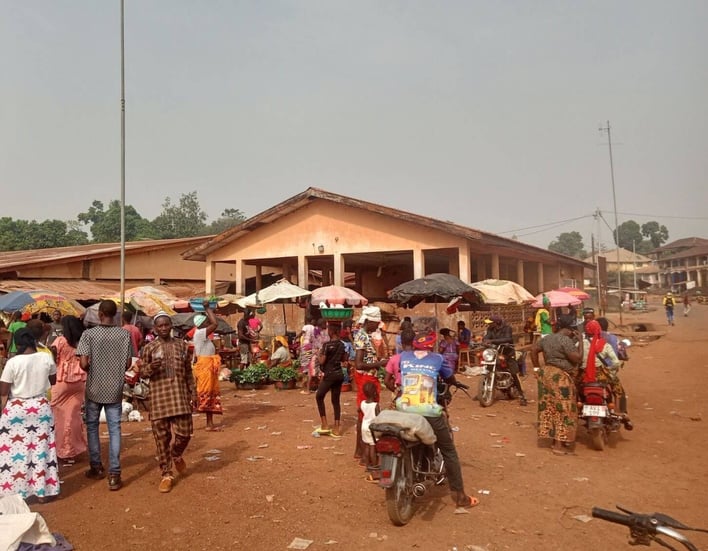
Then she used a ritual to frighten them into staying and forced them into prostitution. They were trapped. And every day, the woman collected their earnings.
This is the harsh reality of human trafficking. It is more than just the theft of a person. It is the stealing of their livelihood, their freedom, their everything.
- Their documents were taken—but what the documents represented was taken with them: the ability to prove who they were, to cross a border back toward home, to be seen by any authority as themselves rather than as the recruiter's property.
- Their phones were taken—but what the phones represented was taken too: the ability to call a mother in Sierra Leone, the ability to say they were in trouble, the ability to be reached by and connected with the people they loved.
- Their earnings were taken every day—not just the money itself, but every ordinary thing the money would have bought: a bus ticket home, a meal for a family that had not heard from them in months, a Sunday morning that could have belonged to them.
Human trafficking is the ultimate theft.
The rescue, and what it could not give back
But thankfully, this was not the end for these women. After putting the pieces of their story together, our team involved the local authorities.
The recruiter was arrested, along with the woman at the bar who had enforced the control and a second recruiter in the operation. On the suspects' own phones, videos and photographs contradicted the stories they had been giving to police.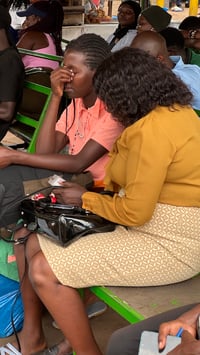
The team sat with the five women and prayed with them. They connected them to a church in Senegal, and then to the Sierra Leonean community leader who helped arrange their safe return home.
These five women are safe tonight. Their passports are being replaced, and the suspects are facing charges. Their families, who had not heard from them in months, know where they are.
But the months themselves—the Sundays, the phone calls that were not made, the ordinary mornings that belonged to someone else—those moments stolen cannot be given back to them by any arrest.
Rescue is good and brave work. It is sometimes the only work available. But it comes after someone has been trafficked into slavery or exploitation. It arrives, as it did here, to five women who had already lost what they had lost.
This is not how we usually meet people
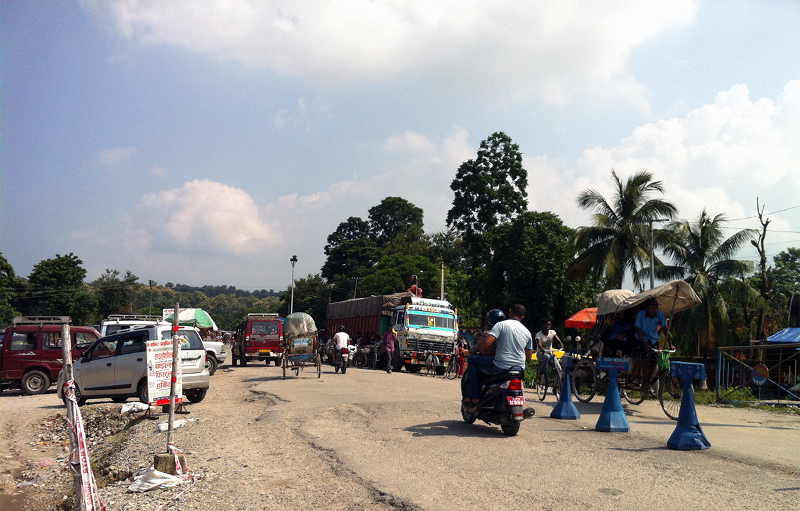
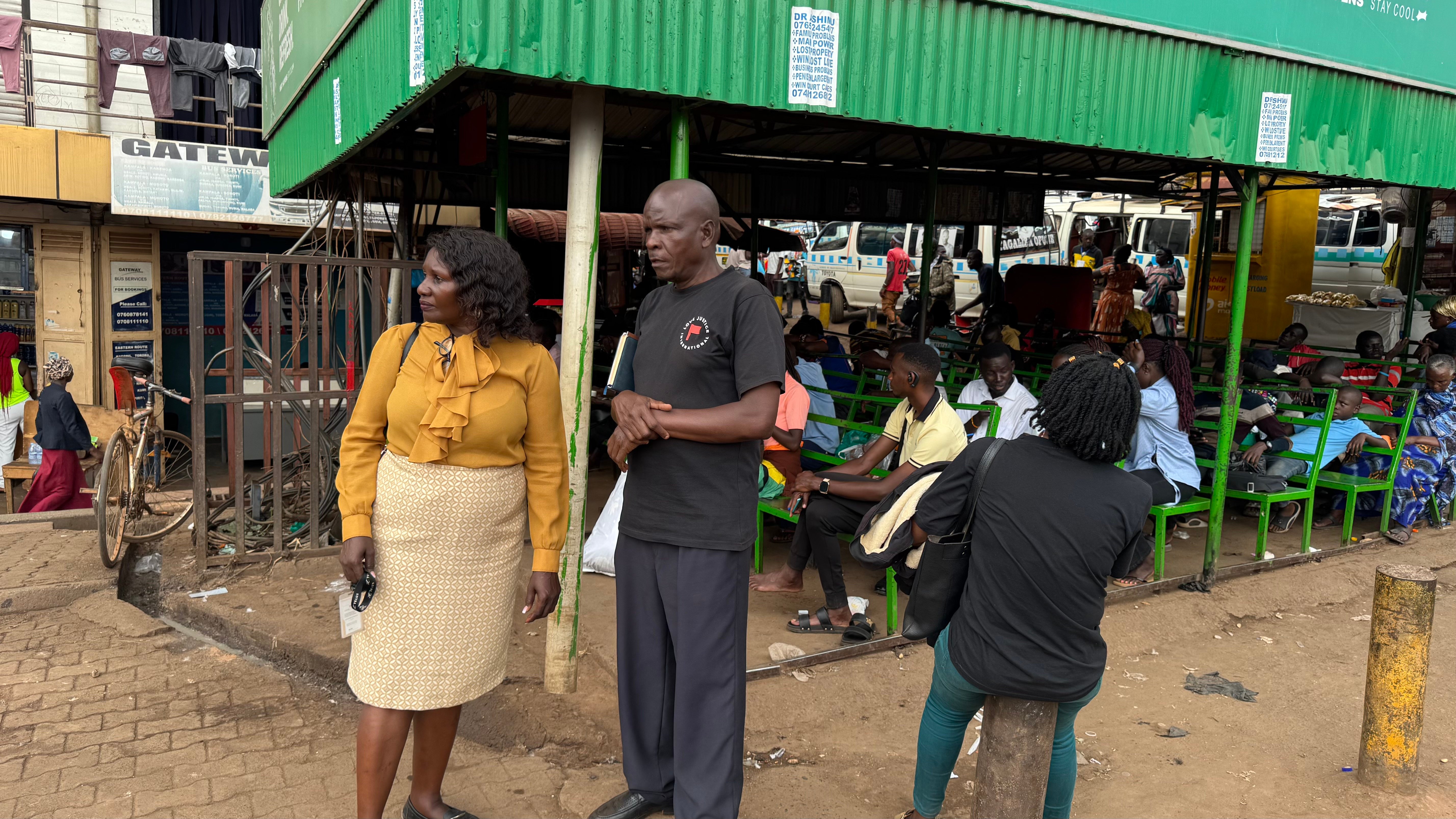
This case in Bignona is a rarity for our team. The bulk of our work, our main anti-trafficking strategy, is called transit monitoring. Our teams are stationed at the specific places where trafficking routes narrow and traffickers have to move their victims through: bus stations, border crossings, train depots, and the uncharted paths between them.
We exist to stop trafficking AS it’s happening—before the ritual, before the first passport is taken, before the first debt is announced, before the wages are kept away from the victim, before a family misses months or years with their loved one.
Most of the more than 119,000 interceptions we have been part of since this work began have happened in exactly that moment. The theft identified, named, and refused before any of it could happen. Not reversed, but prevented entirely!
This is another recent story from the field that shows how we typically work:
What they tried to take from the nine: A story of prevention
A few months before our team was in Bignona, our team in Malawi was on an uncharted route that leads toward Mozambique.
They stopped nine boys. All of them were minors crossing a border for the first time.
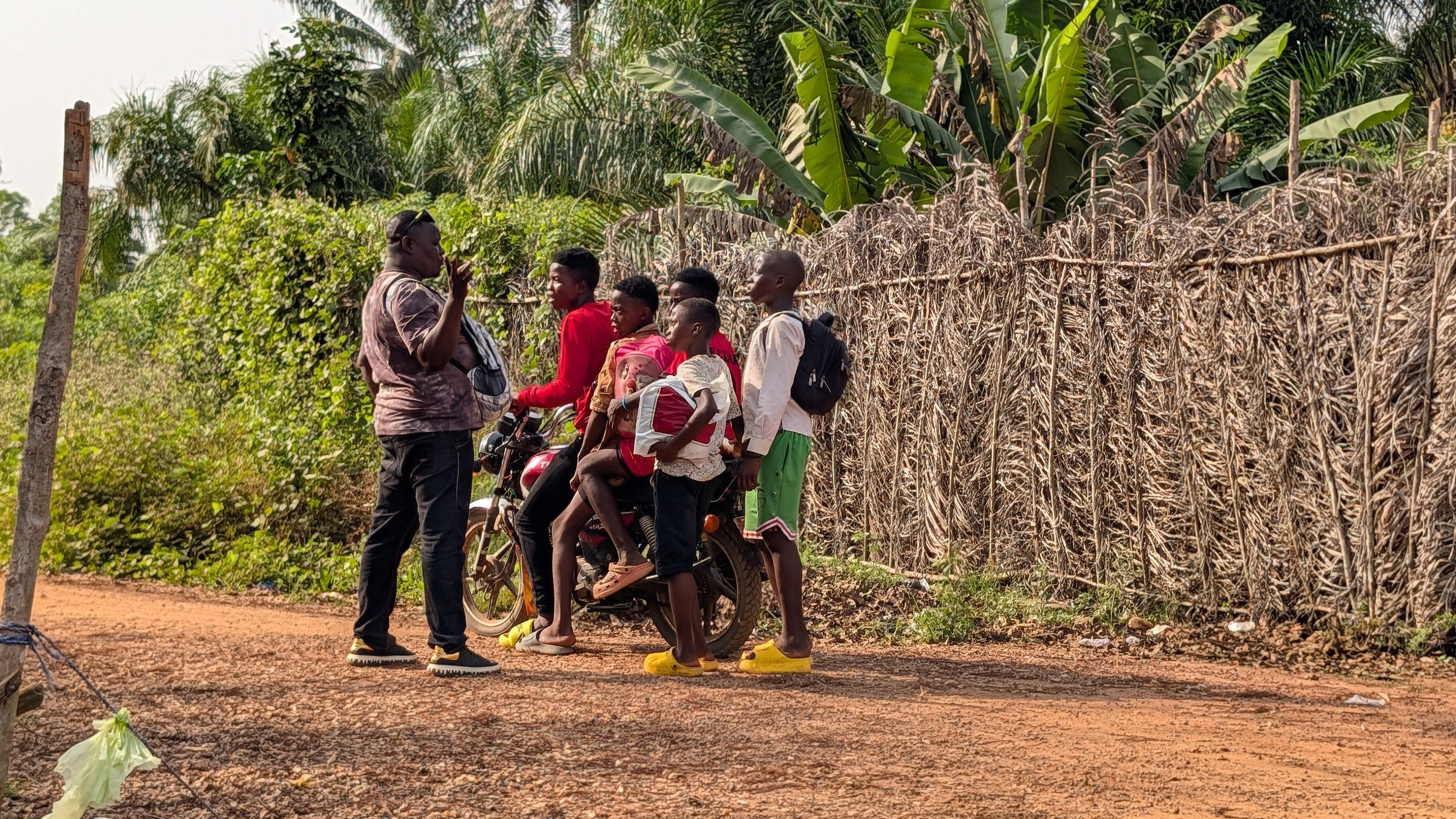
Two men had recruited them from their home areas for farm work on the other side. The men had told the boys they would stay until next year. No pay was agreed. The arrangement was simply: come with us; you will work; we will decide what happens next.
A year of their labor was about to be taken. They were being moved into a year of work with no agreed wage, which is not a job. It is a transfer of what belonged to them into someone else's control.
Their childhoods were about to be taken—every one of these boys was a minor, too young to be put to work by anyone.
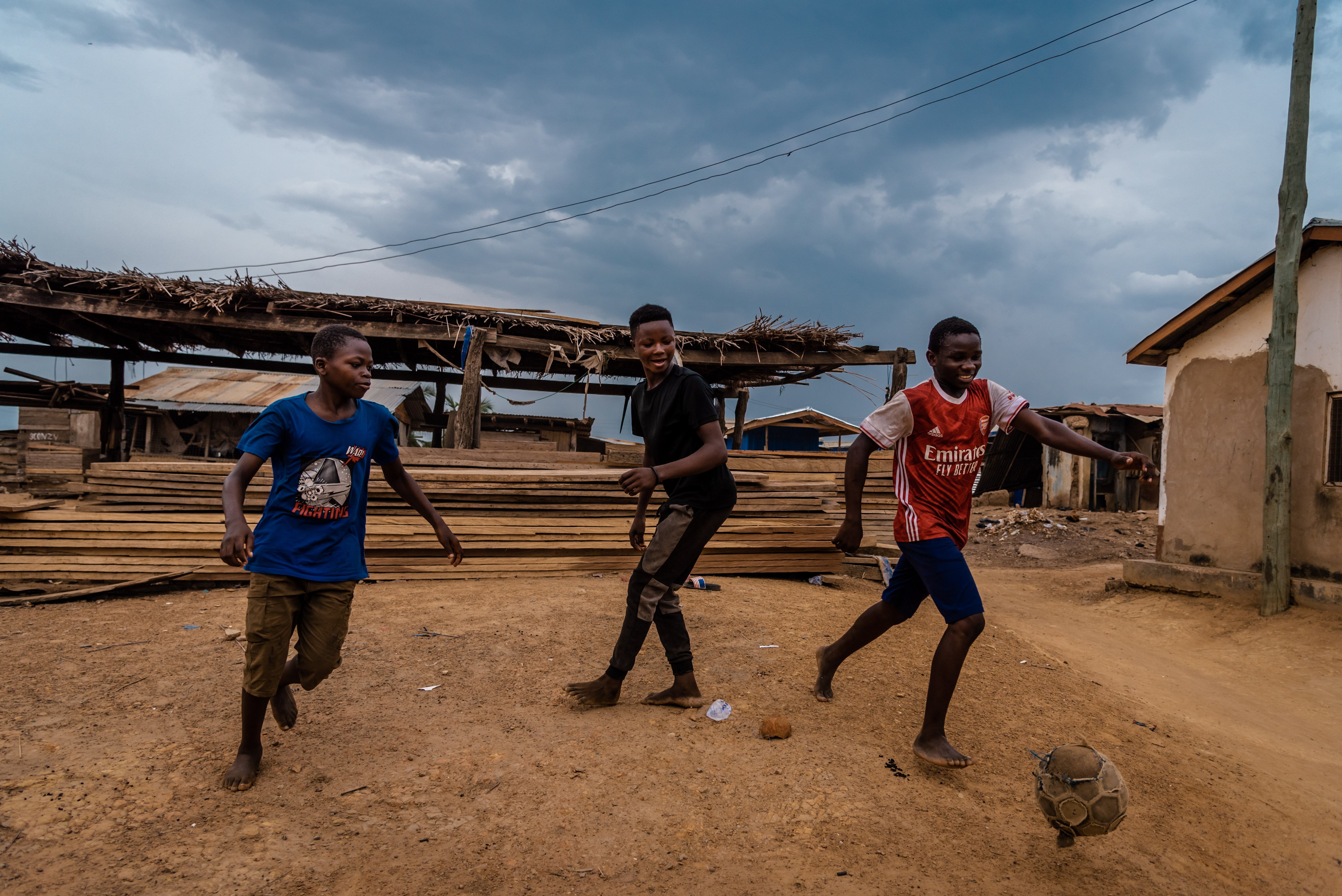
Their homes were about to be taken. "Until next year" is not a job description; it is a severance from everything the boy knows.
Their agency was about to be taken. The sad reality is that a boy who has been promised something and then held to it, in a country where he does not speak the language, is not a boy who still has a choice.
But because you give, our monitors were there to give back what they tried to take.
Police arrested both recruiters. The team sat with the boys for several hours, teaching them about trafficking and about how to recognize what had almost happened to them. They shared the gospel, and the boys were eventually returned safely home.
What you give back—before any of it is taken
You were not in Bignona at night outside the bar. You were not on the uncharted road to Mozambique.
But every monitor in those spots was there because someone paid for them to be—not after the fact, not in response to a crisis that had already happened, but stationed in advance, for the day a group of nine boys would need someone to be looking.
For those nine boys, your giving means a birthday at home. A mother in the next room tonight. Siblings they will grow up with instead of away from. A year of being teenagers instead of farmhands owed a wage no one ever intended to pay.
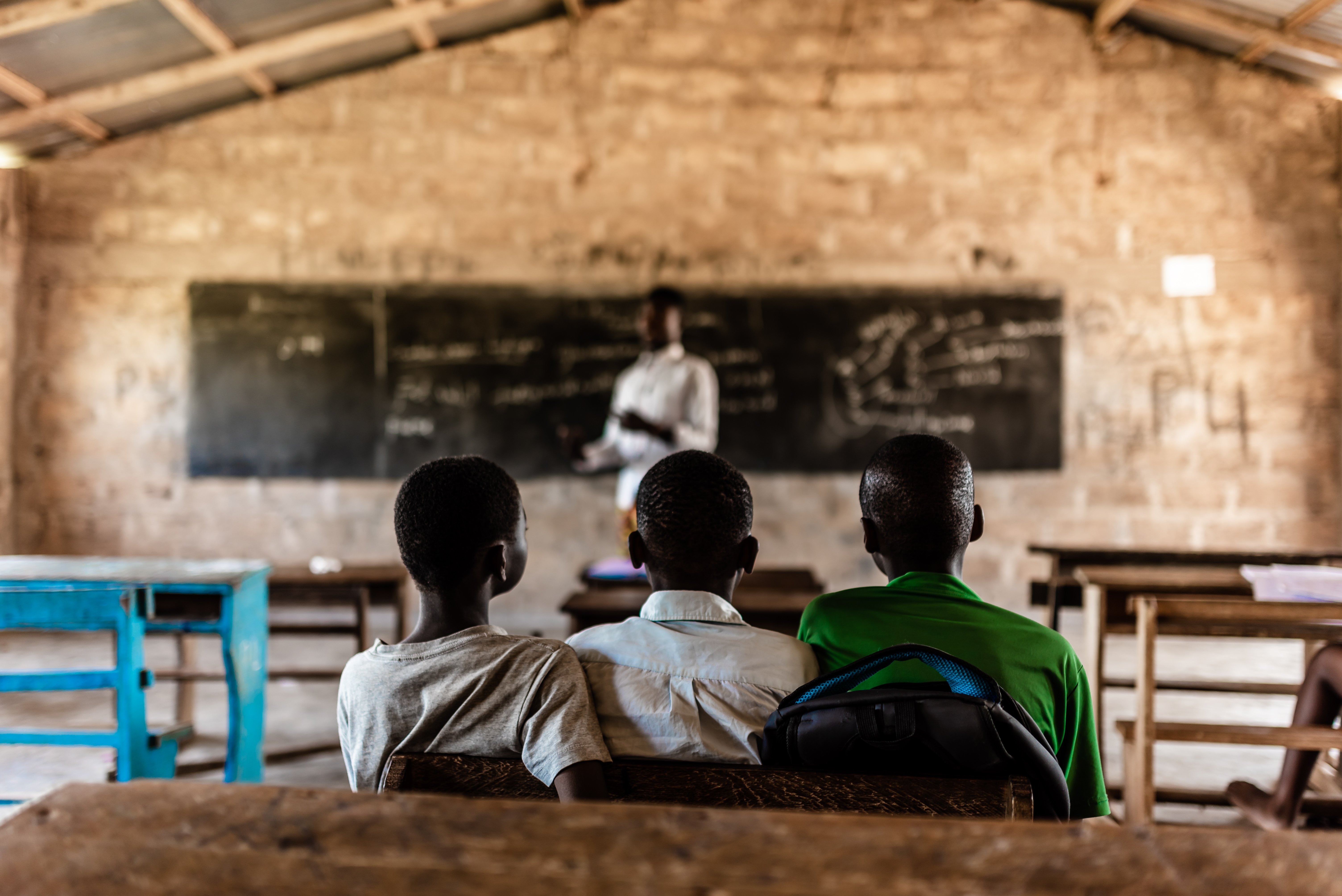
For every future this work gets to protect, every boy at a border crossing who gets to go home, every young woman at a bus station who gets to turn around, your giving put someone there in time to stop it.
The best way to give back what traffickers take is to stop them from taking it in the first place. That is what your giving actually funds!
Give today
A gift of $112 funds one interception. Not a rescue—a prevention. The specific moment when a Love Justice monitor meets a potential victim before any of it has been taken.
Your gift puts a monitor at the border before the trafficker ever gets to collect.
Prefer to give monthly? Become an Intercept Partner and fund that ongoing presence—the posted watchman, month after month, in the places you cannot be yourself.
Nine boys on an uncharted path, who went home.
Five women in Bignona, who went home months later, after months no one can give back to them.
The gap between the two is what prevention is. It is what your giving funds. It is what we get to keep making bigger—every border crossing, every bus station, every road not yet covered.
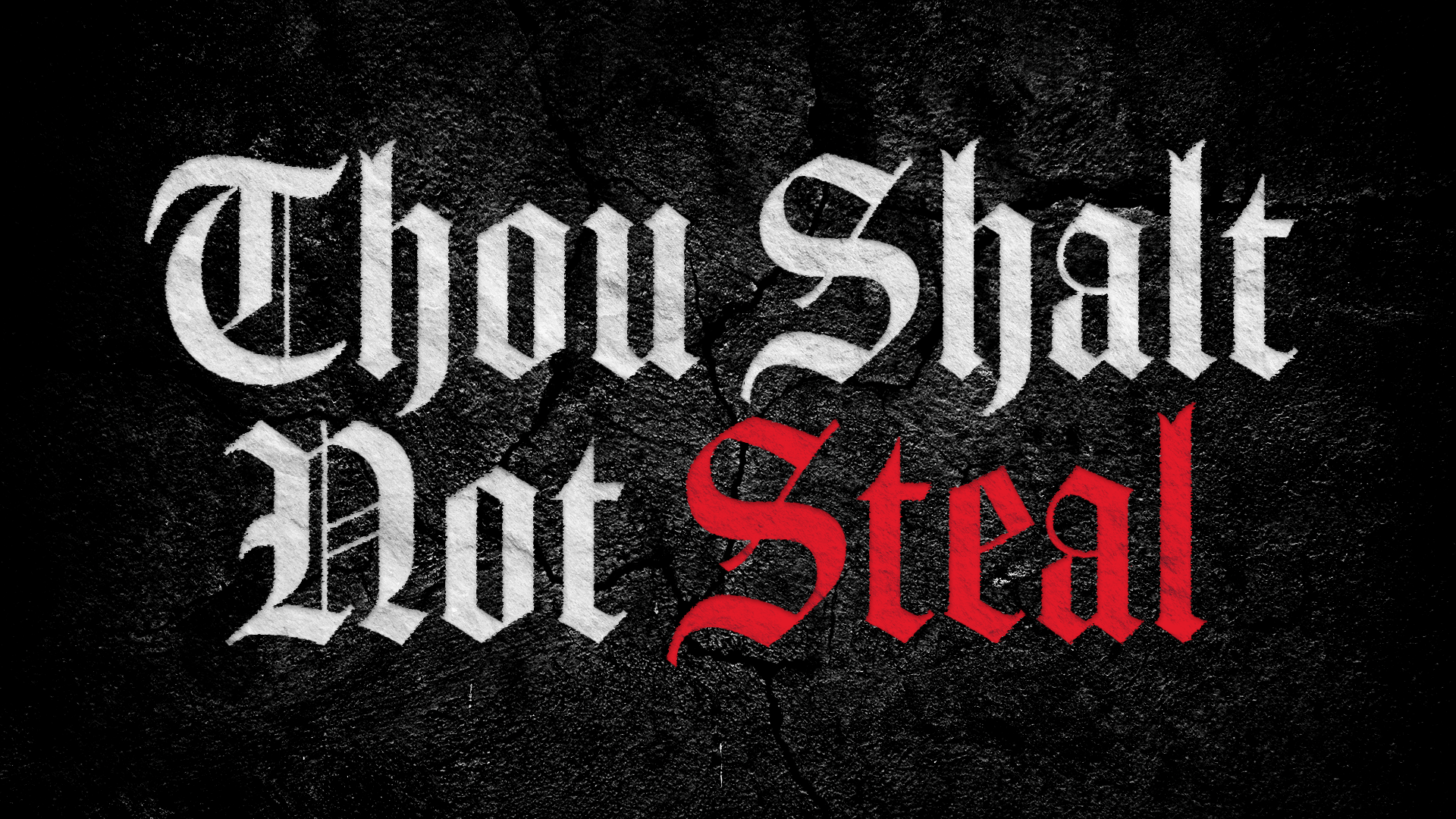
Thou shalt not steal. Help us be where the theft is about to happen.








Post a comment