-1.png?width=500&height=500&name=LJI_MAINLOGO_WhiteBackground%20(1)-1.png "love-justice.png")
One of our core values is Do Much with Little—we believe we're called to make the greatest possible impact with the resources we've been entrusted with.
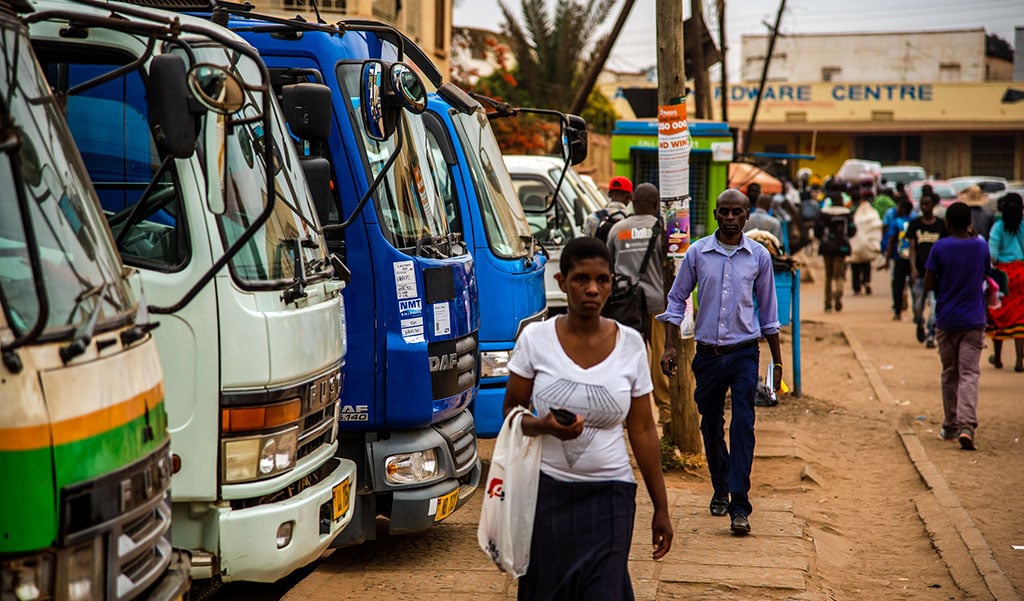
That's a big part of why, when we enter a new country, we're not starting from scratch. We look at where trafficking vulnerability is highest and where the routes traffickers actually use—borders, bus stations, travel corridors—run through, and we track things like our cost to intercept one person, which helps us see where an investment can go the furthest.
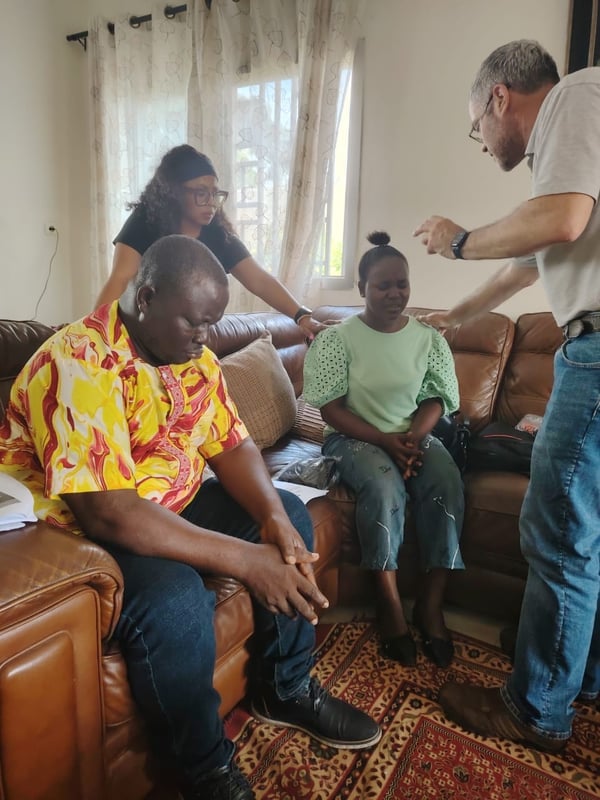
But more than any of that, it comes down to finding the right people: someone already trusted in their community, already connected to churches, transporters, and local authorities, already carrying a heart for this fight. We've always been strategic about who we work with, because locals best understand the norms of their own country or area—so instead of building a team from the ground up, we get to come alongside like-minded people who are already there, training them in our method, commissioning them through prayer ministry, and handing them our tools to pilot this work in the place they already call home.
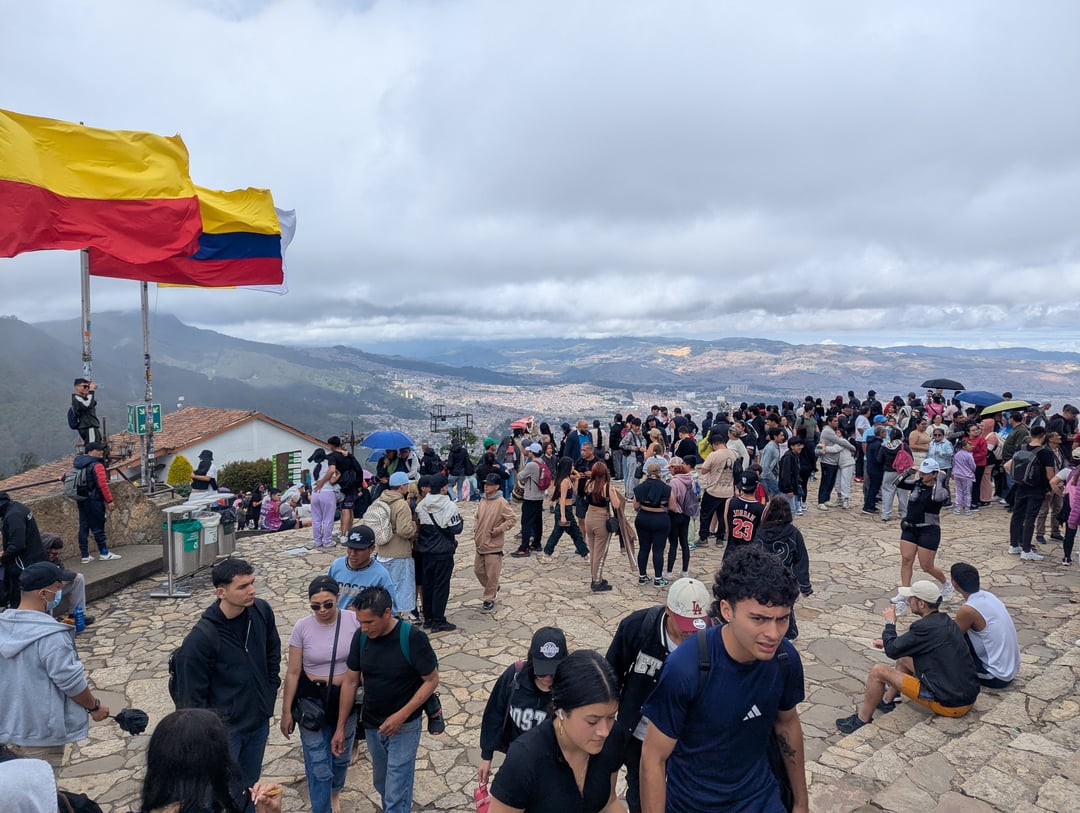
This summer, because of your giving, we got to see it happen in THREE new countries: Guinea, Colombia, and Argentina.
Want to hear more about how we find and equip leaders like these? On a recent episode of the Love Justice Podcast, "Entrust the Faithful: Why Sustainable Justice Depends on the Right Local Leaders," Founder and CEO John Molineux sits down with Sean Mullens, our Director of Champion Recruitment (who you'll hear more from below), to talk about what it really takes to identify and empower national leaders for sustainable, local-led justice work.
Guinea
Walk Free's Global Slavery Index estimates that around 53,000 people were living in modern slavery in Guinea in 2021—roughly 4 in every 1,000 people. The U.S. State Department's Trafficking in Persons Report notes that children in Guinea are especially at risk, some trafficked into forced labor in artisanal gold mining, others deceived into forced begging under the guise of religious education, moved along routes through Guinea, Mali, Senegal, and Guinea-Bissau.
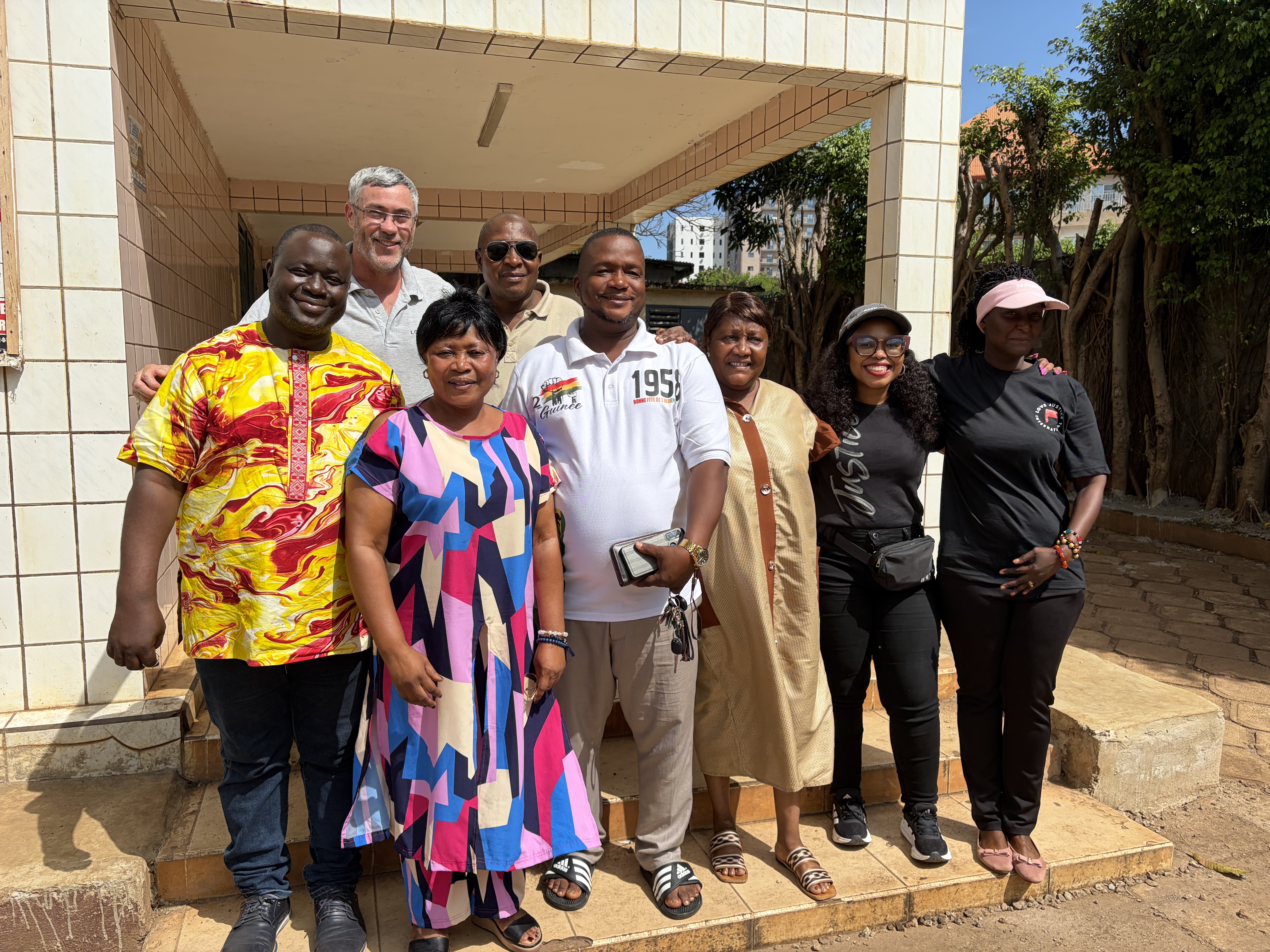
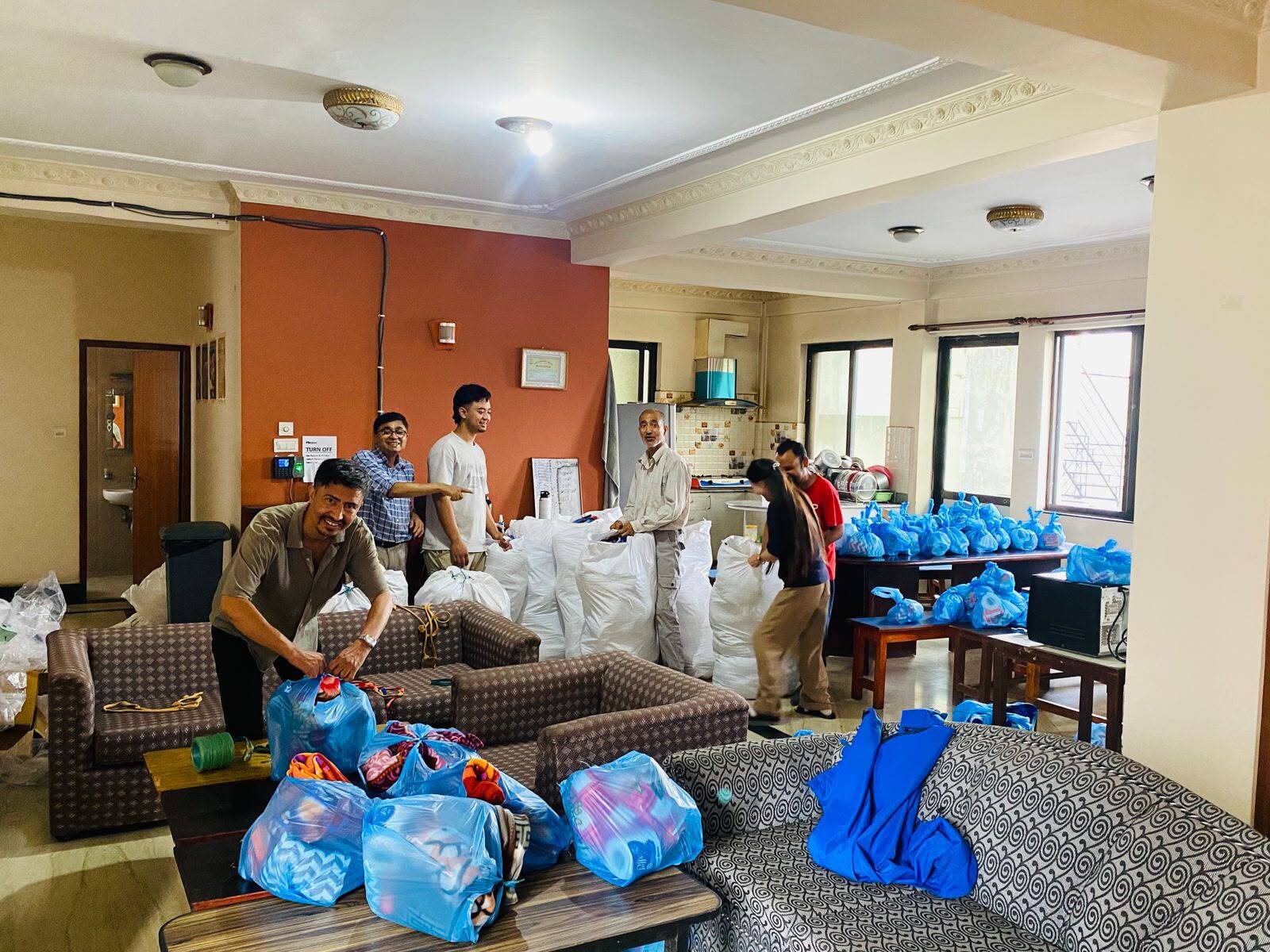
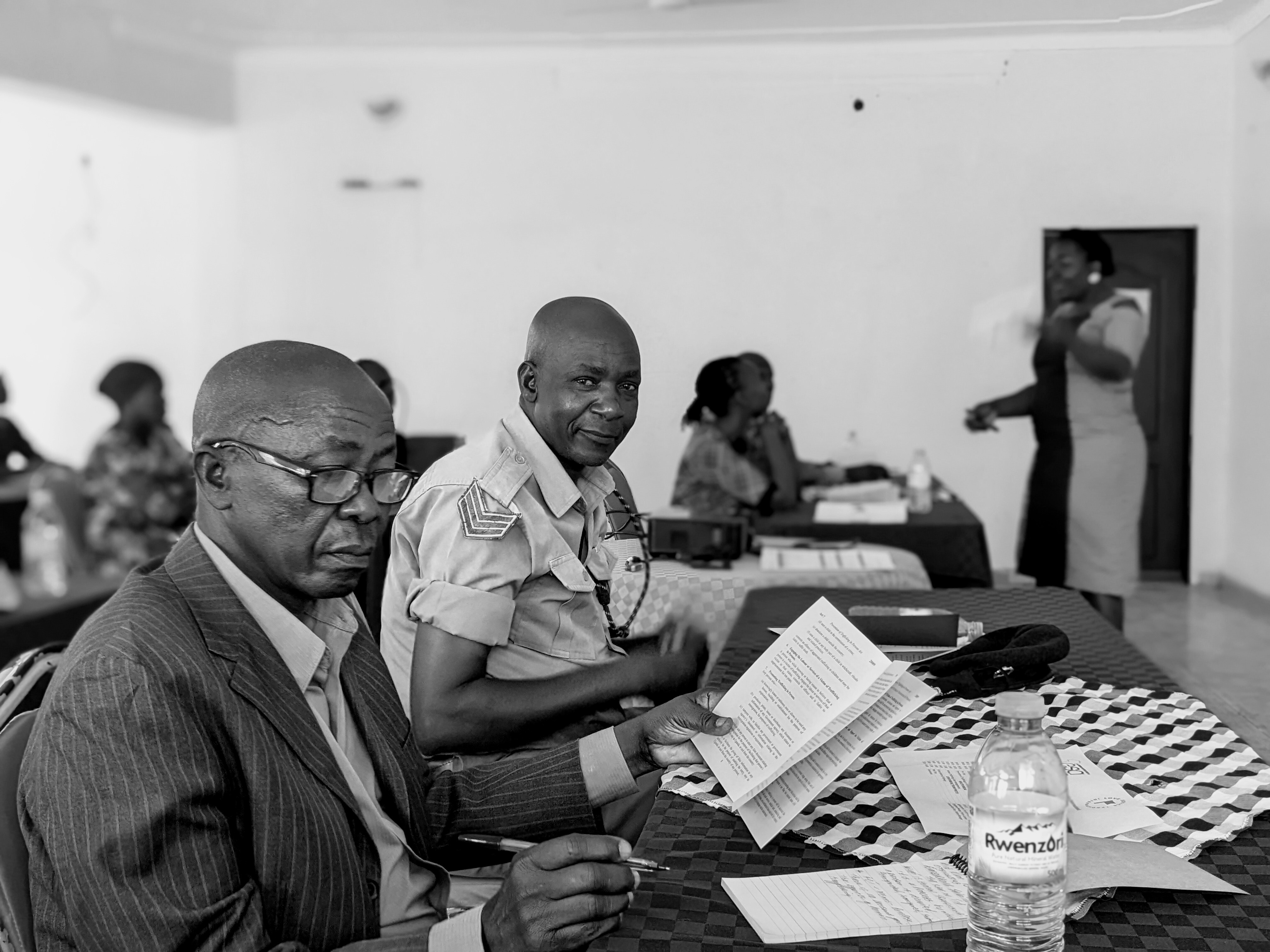
Our pilot team (pictured) secured an intercept on the very first day of monitoring in Guinea.
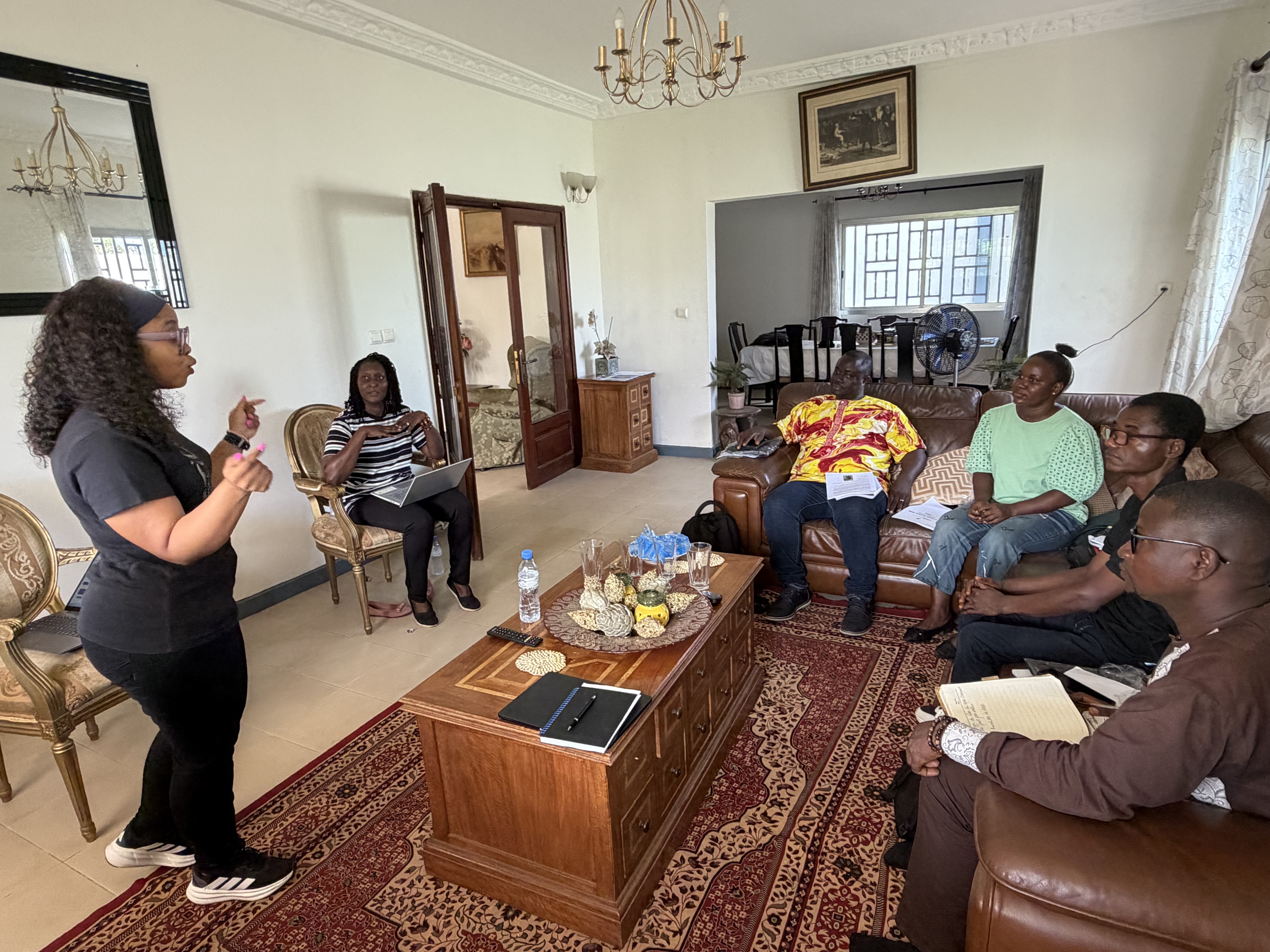
Before that could happen, two of our team members, Siphokazi (Installation and Compliance Specialist) and Sean (Director of Champion Recruitment and Regional Steward for Europe and West Africa), spent about a week on the ground training the new team. Siphokazi recently shared on a global call what that week was like:
"He loves this work," she said of Guinea's Country Champion, James. "It was so cool to actually see him in person, to see the team, and to see the heart they carry—both to protect the vulnerable and to share the gospel. We spent about a week with them, training on our core processes, then went out to actually start monitoring. The very first day we were in the field, we had a couple of really good conversations with potential victims.
"One of the things we zeroed in on was helping the team learn to discern who is most vulnerable—not spreading ourselves thin trying to respond to every case, but really honing in on the people who need it most. It was so cool to see the favor the team already has with the authorities. We met with the head of police, who told us, 'Anytime you want to expand anywhere in Guinea, you already have permission'—and with transporters who said, 'Anytime you need help moving a potential victim, we're here.'"
Two months in, the Guinea team has already intercepted people and helped get a suspect detained. They're still building relationships at key transit points, and the local church continues to support the pilot through prayer, encouragement, and oversight.
Argentina
An estimated 189,000 people were living in modern slavery in Argentina in 2021, per the Global Slavery Index—about 4.2 in every 1,000 people. Argentina's government has actually earned a Tier 1 ranking from the U.S. State Department, its highest, for its response to trafficking. Even so, the need is real: reporting shows foreign victims, largely from Paraguay, Bolivia, and Peru, subjected to sex trafficking, and forced labor found in sweatshops, agriculture, domestic work, and street vending. Argentine authorities identified over 1,370 trafficking victims in 2024 alone.
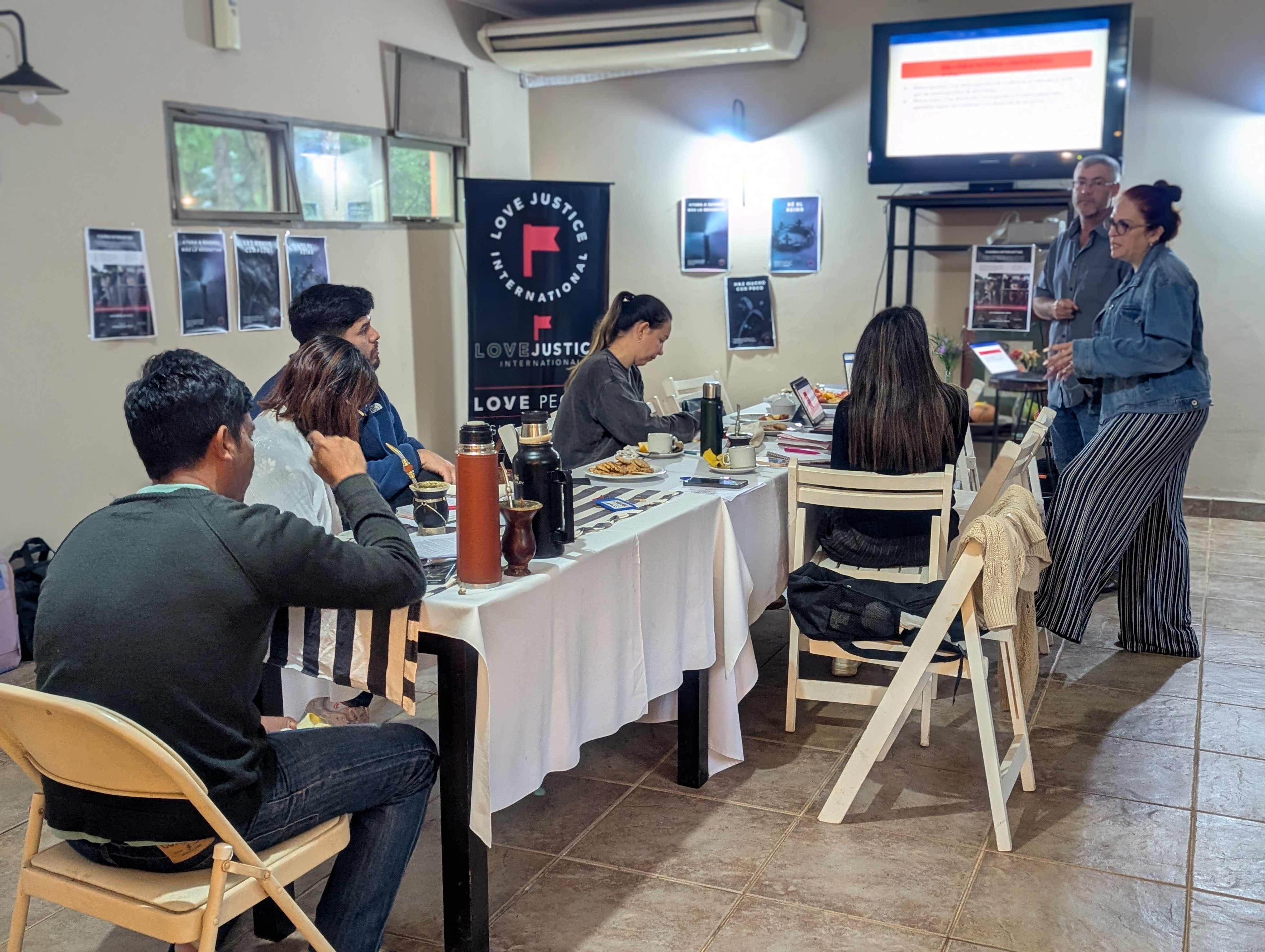
Argentina's pilot is led by Country Champion Alan, and it didn't take long for the team to see impact.
During their second intercept, at a bus terminal, the team noticed nine Chinese nationals traveling under suspicious circumstances and brought in Argentina's Federal Gendarmerie to investigate. One suspect was arrested—and the case triggered an alert across federal checkpoints nationwide, leading authorities to identify ten more Chinese nationals and arrest two additional suspects. The investigation into the wider network is still ongoing.
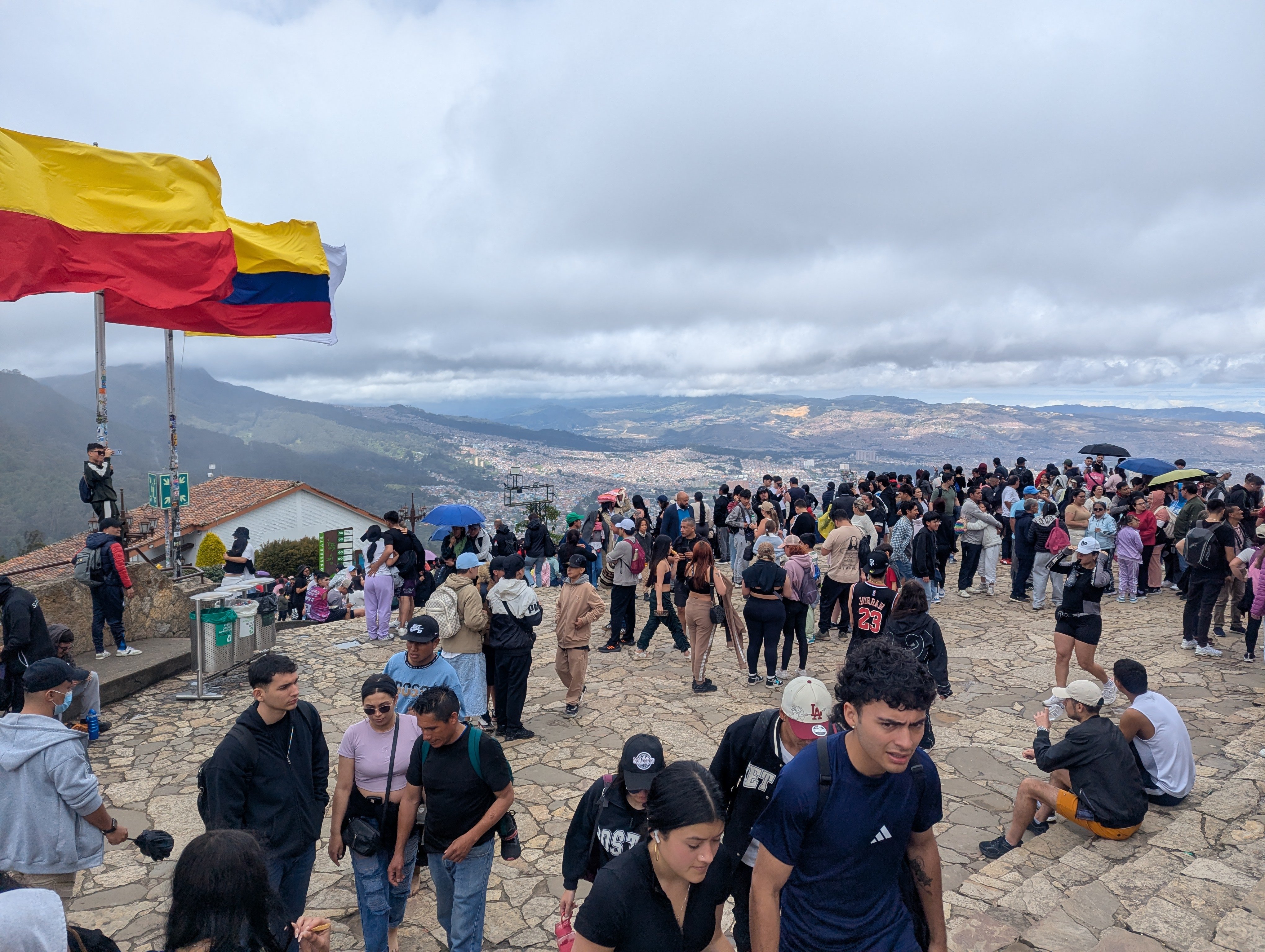
.jpg?width=4080&height=3072&name=PXL_20260805_190339032%20(1).jpg)
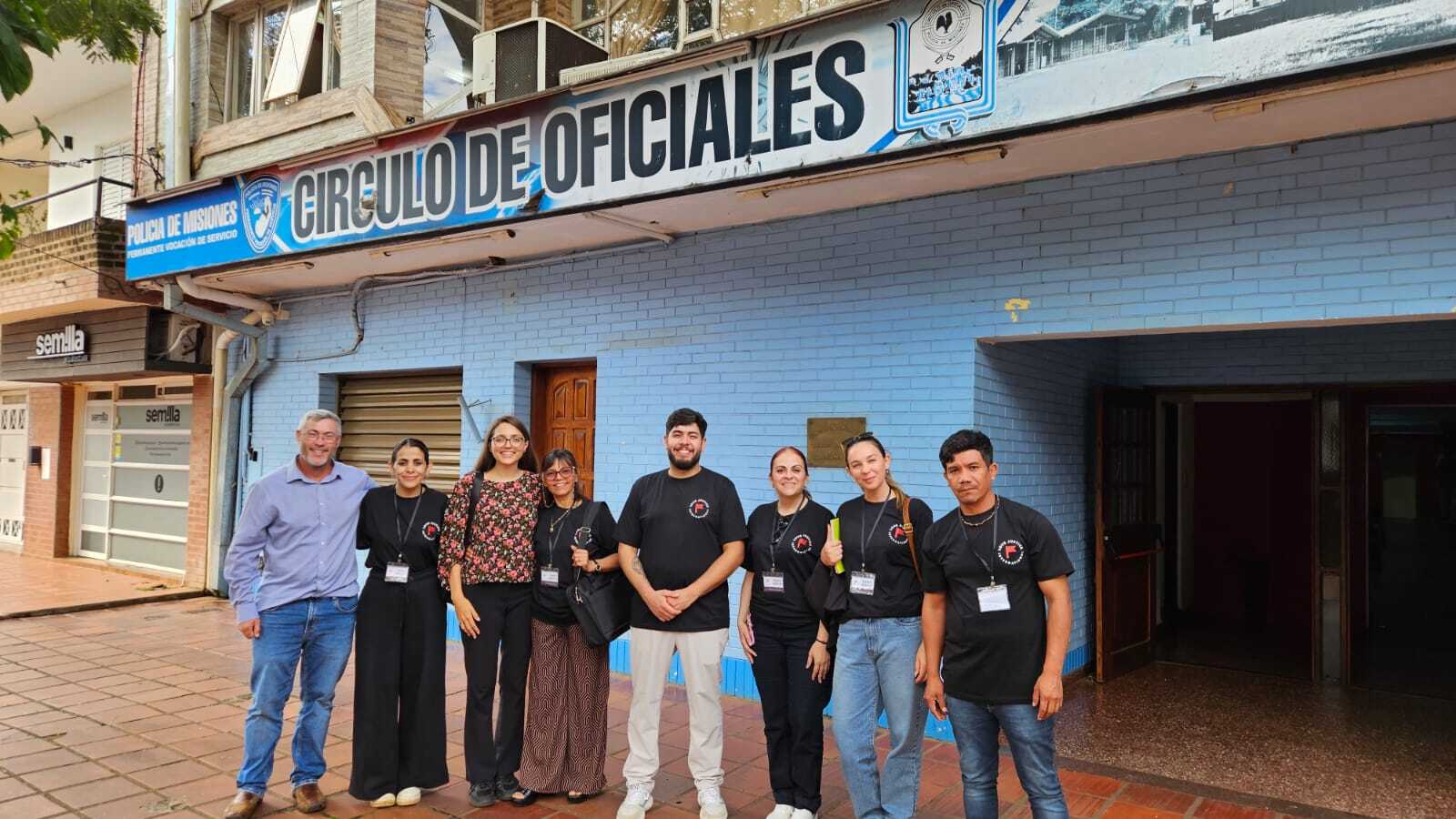
Just last month, our staff Sean and Rachel (Installation and Forms Specialist) were on the ground preparing the Argentina team for this work. They shared, as an encouragement to the rest of LJI, that they weren't just training a team of full-time staff, but also a team of volunteers who are passionate about this work and want to get involved in the fight against human trafficking.
Colombia
Colombia has one of the higher prevalence rates of modern slavery in the Americas—the Global Slavery Index estimates around 397,000 people were living in modern slavery there in 2021, about 7.8 in every 1,000 people. Much of that risk is tied to migration: nearly 2.9 million Venezuelans now live in Colombia, and in 2024 they made up 30% of identified trafficking victims (68% were Colombian nationals). Traffickers often lure people in with fraudulent job offers, and migrants who can't cover the cost of daily lodging are sometimes coerced into forced criminality or sex trafficking to pay off the debt.
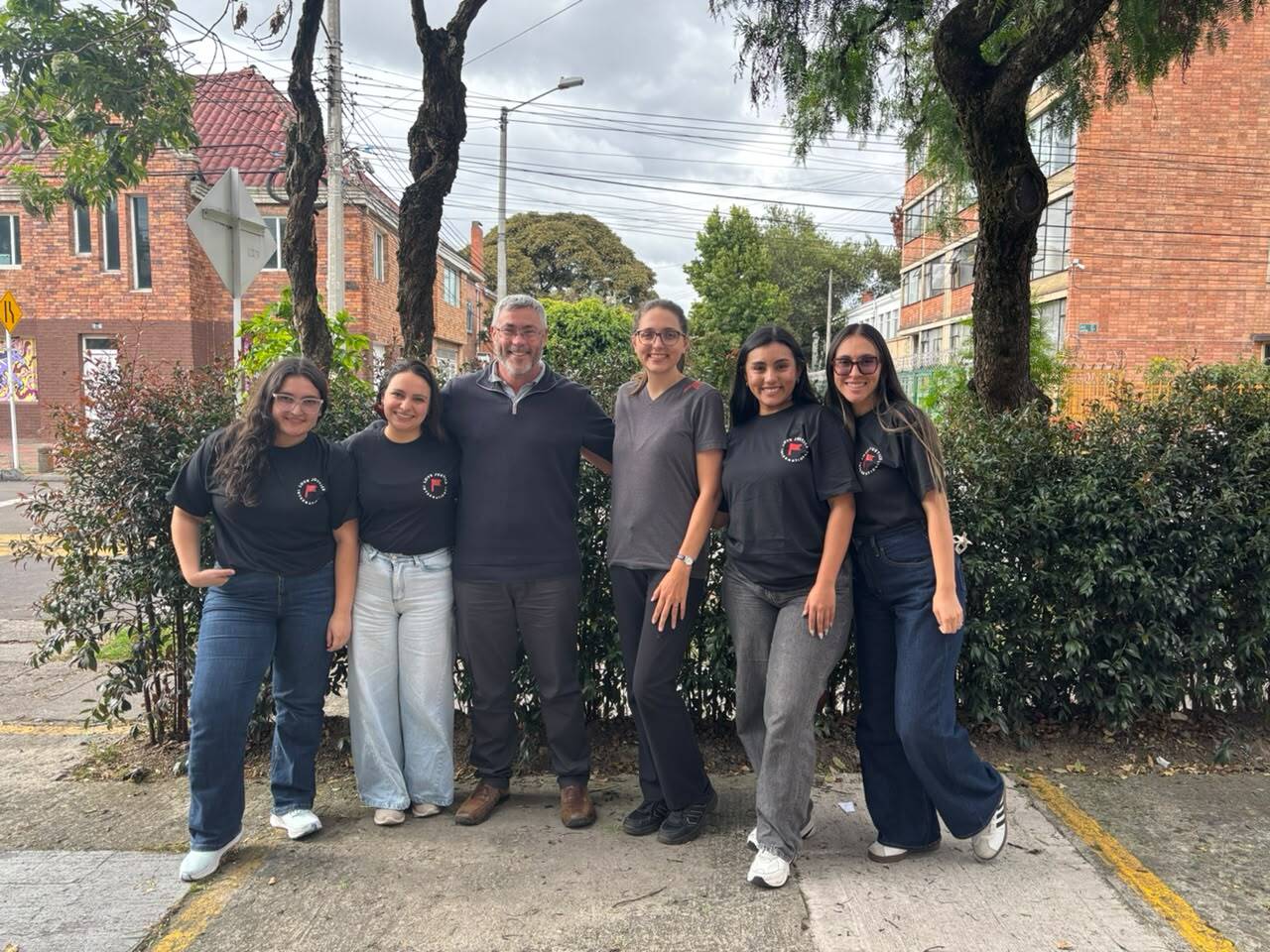
Colombia's pilot, led by Country Champion Danitza, is beginning at a really encouraging moment: the country just passed significant new anti-trafficking legislation, and Danitza and local partners were part of advocating for and shaping it. We get to start this work just as the legal ground underneath it is getting stronger. Sean and Rachel followed their time in Argentina with significant time in Colombia, and we're excited to see the results of their work together reflected in the impact the team begins to make in the fight against trafficking.
What's ahead
We're also doing early groundwork toward future pilots in the Democratic Republic of Congo, Nigeria, Tanzania, and Rwanda—each at a different stage, some still under review, others waiting on the registrations and permissions needed before a team can begin. As Siphokazi put it, "Our teams are ready to go. We've got our suitcases at the door—we're just waiting on the logistical details."
A few ways to pray with us
For the active pilots in Guinea, Argentina, and Colombia: pray for our teams' strength and wisdom to identify those who are most vulnerable, and for the kind of community relationships that lead to both intercepts and arrests.
For the pilots still waiting to launch: pray that our teams receive the registrations and permissions they need.
For everyone supporting these pilots behind the scenes, from training to data entry to regional oversight: please pray that we would continue to be a great support to the teams on the ground, pray for clarity in communication as we train incoming teams, and pray that those teams would be able to grasp and apply what they're taught.
We wouldn't get to do any of this without you
The training trips, the relationship-building, the months of quiet groundwork before a single intercept—all of it depends on donors who trust us to expand carefully rather than quickly, because we want every dollar you give to go as far as it possibly can. Because of your giving, three new teams are already on the ground, and four more countries are a little closer to their own first day of monitoring. When you give, we get to expand our reach to more vulnerable people and keep them safe from traffickers in new places all over the world.
Become an Intercept Partner to join our monthly giving community, help fund the next pilot, and be the first to hear member-only updates from the field. [Sign up to pray for these teams here.]


/bimala_feature_blog.webp)
/young_woman_asia.webp)


/southafrica1-1.webp)
/africa_benin_truck.webp)
-1.jpg)


Post a comment