-1.png?width=500&height=500&name=LJI_MAINLOGO_WhiteBackground%20(1)-1.png "love-justice.png")
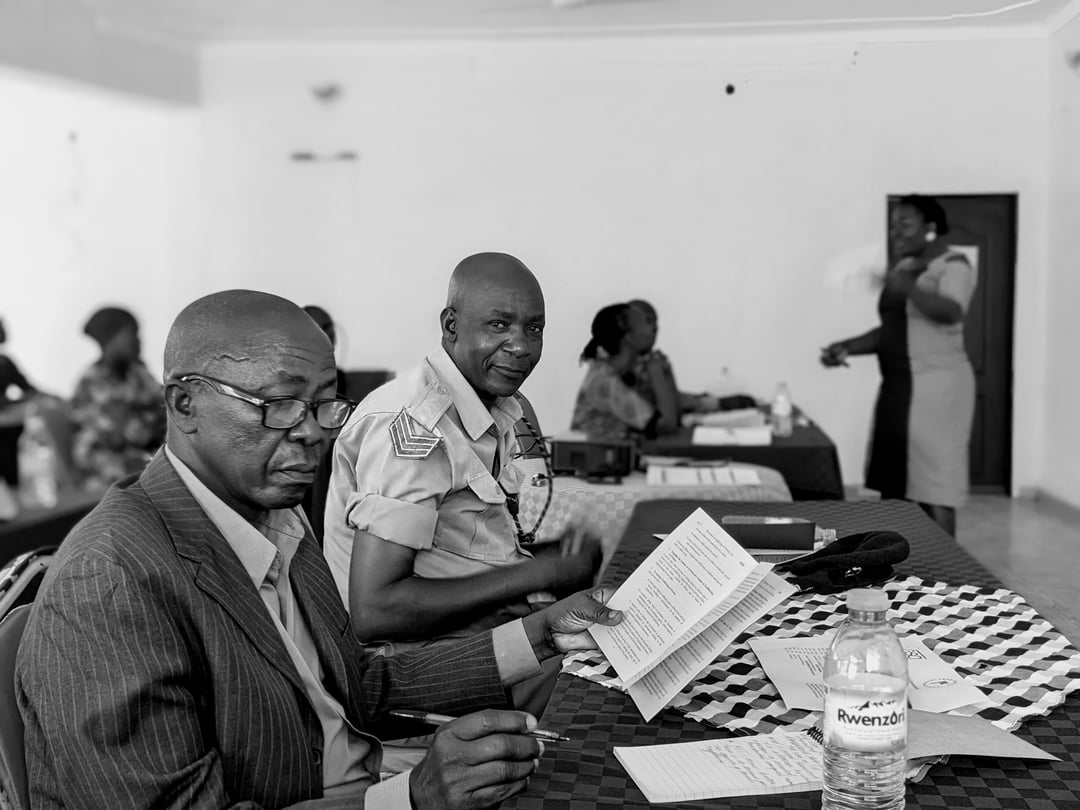
While the moment of interception (when we stop a suspected trafficker and their victim) is fast, most trafficking cases don't move quickly.
An arrest happens in a single afternoon at a border post—but the case that follows can drag on for years, hearing after hearing, adjournment after adjournment, while the person responsible walks free between court dates. For survivors and their families, that wait can feel like its own kind of harm.
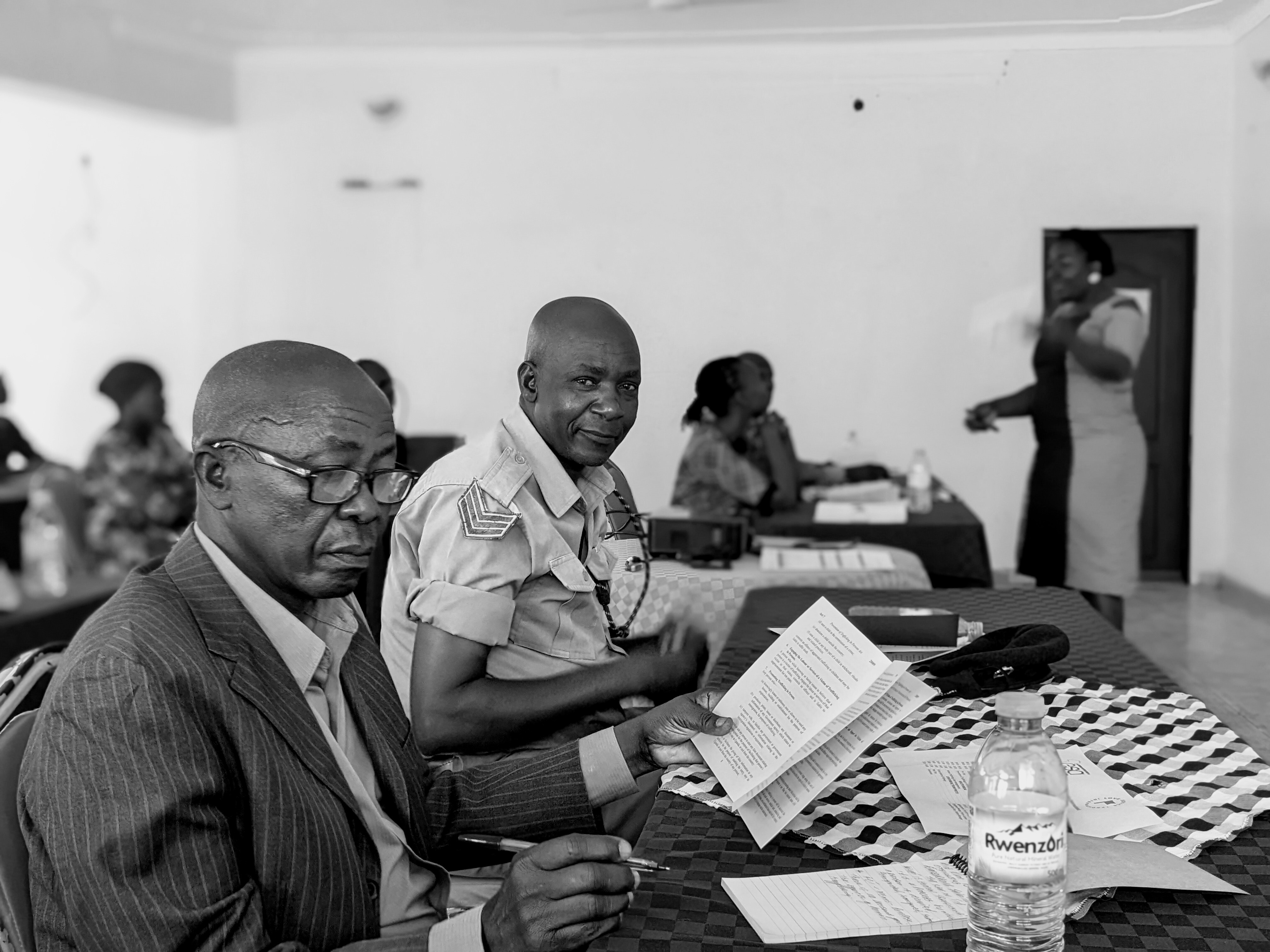
Last year, in Busia, Uganda, it moved differently. Our team was given one month of dedicated court sessions with the judiciary—a stretch of time set aside specifically to push a backlog of trafficking cases forward, one after another, instead of letting them sit for years on a crowded docket. By the end of that month, eight traffickers had been convicted.
Because of your giving, that month was possible.
This Only Happens with the Right Partnership
A month like that doesn't happen because a court has spare time. It happens because of years of relationship-building between our team and the judiciary in Busia—showing up consistently, understanding how the courts operate, and becoming a partner they trust to bring forward well-documented, credible cases. That trust is what opened the door to a dedicated docket in the first place. Your support is what keeps our team building the kind of consistency that trust requires.
This is part of a broader pattern in how we work: our relationship with law enforcement doesn't end at the moment of arrest. [Read: how we partner with law enforcement]. We follow cases as far as we can—through investigation, through arrest, and into the courtroom—because an arrest without a conviction often just sends a recruiter back onto the same road a few months later. [Read: how our investigations follow suspects through to conviction]. Real disruption of trafficking networks depends on that follow-through, and that follow-through depends on the courts.
No one sees that more clearly than the monitor on the ground in Busia, who put it simply:
"Since we started, we have made a number of arrests, and each one goes through the courts, where our partnership with the judiciary helps us move those cases forward. That's why last year, in a single court session of one month, we were able to secure over eight convictions—and that is all because of the strong, friendly working relationship we have built with the judiciary."
What Eight Convictions Actually Represent
Every one of those eight cases started the same way ours always do: a field team stopping a group at the border, asking questions, noticing when stories didn't line up. From there, each case took months or years of coordination—statements, evidence, court dates—to reach a conviction. The special sessions didn't skip any of that work. They simply gave cases that had already earned their way through the system a court calendar that could finally hear them.
None of that happens without donors who fund the parts of this work that rarely make headlines: the years-long court dates, the follow-up, the quiet persistence. Your generosity is what carries a case from a border stop to a conviction.
Two of those cases show what that work looks like on the ground.
An 11-Year-Old, Three Different Stories
An 11-year-old girl from Uganda was unknowingly recruited for domestic work in Kenya, promised wages far below the standard rate. The recruiter arranged her travel and paid for it himself.
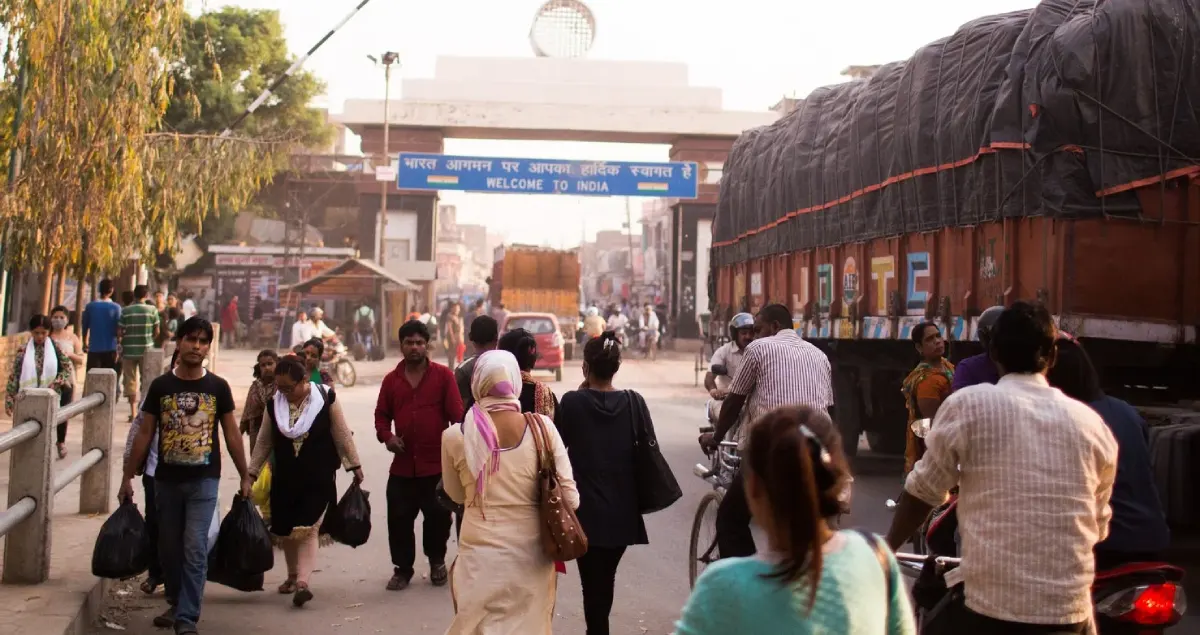
When field monitors stopped the group at the border and questioned everyone separately, the accounts didn't match. The girl said she was traveling for work. The recruiter said they were headed to a family funeral. Her guardian gave a third explanation entirely. The contradictions, paired with her age, were enough for the team to act immediately.
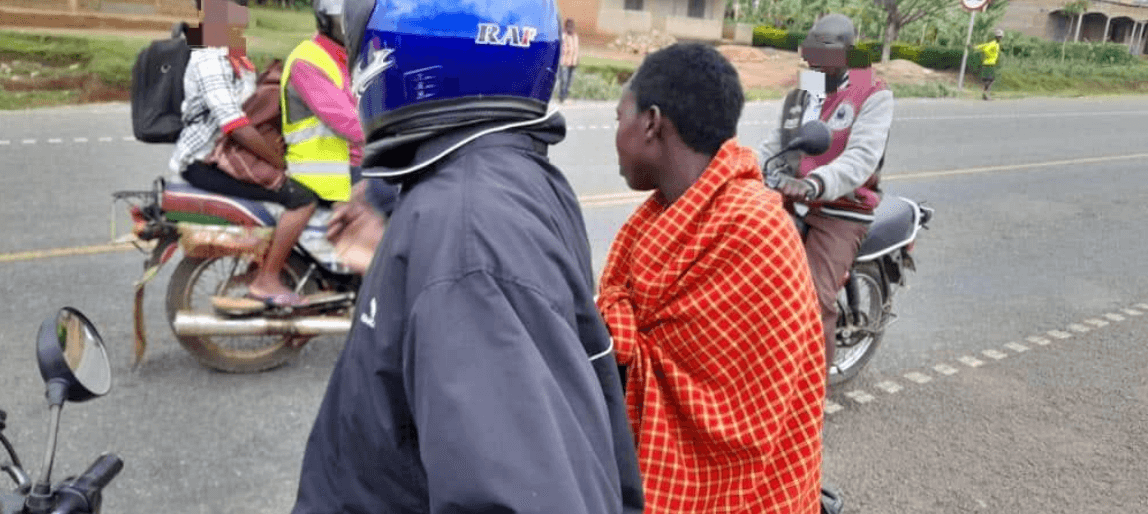
She was taken to a short-term shelter, where staff worked to reunite her with other family members after her guardian became unreachable. The recruiter was arrested and later convicted as part of this special month of sessions. The young girl returned home after receiving care and support.
A Staged Meeting that Unraveled a Network
In another case, a recruiter was contacted by someone in Kenya looking for two young women for domestic work. He targeted two women by approaching their guardians in Uganda with a job offer, then arranged to travel with the women himself, covering their transportation.
When field monitors stopped the group for routine questioning near the border, the young women said they were traveling for work. The recruiter insisted he was only taking them back to school. Sensing the stories didn't add up, monitors called the man in Kenya who was supposedly waiting to employ them—and he agreed to meet them in person. When he arrived, his account contradicted both the recruiter's story and the women's, exposing a coordinated attempt spanning both sides of the border.
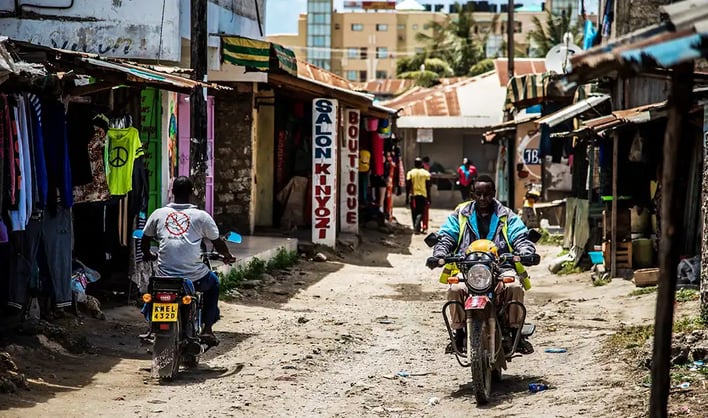
Both men were arrested. The young women returned home safely and were connected with vocational training opportunities.
Neither of these stories ends the way it could have—a young person in a stranger's household in another country, invisible to anyone who might help—because someone gave, and a field team was there to ask the right questions.
Your gift funds the field teams, the casework, and the years of relationship-building with courts like the one in Busia—the kind of quiet, sustained work that turns an arrest into a conviction.


/bimala_feature_blog.webp)
/young_woman_asia.webp)

/how_to_help_stop_human_trafficking_girl_smiling_love_justice5.webp)
/kenya_streets_stop_human_trafficking_love_justice.webp)
/Nepali_girl_2-1.webp)



Post a comment