-1.png?width=500&height=500&name=LJI_MAINLOGO_WhiteBackground%20(1)-1.png "love-justice.png")

For years, the name Jeffrey Epstein has dominated conversations about human trafficking. His crimes were horrific, enabled by extraordinary wealth, influence, and access. The public attention was warranted—and overdue.
But as John Molineux, Love Justice’s founder and CEO, argues in his recent Religion News Service opinion piece, Epstein was not representative of how trafficking usually happens. He was the exception.
The rule is far more ordinary—and far more dangerous.
The scale of the crisis is staggering
Today, an estimated 50 million people are living in modern slavery. That is one in every 150 people on the planet.
Women and girls account for more than half of victims.
More than 12 million children are exploited.
Migrant workers are three times more likely to be enslaved than non-migrants.
And more than half of all forced labor occurs in wealthy nations, not just the world’s poorest ones.
Human trafficking is not a fringe crime. It is a multi-billion dollar global industry.
Trafficking doesn’t hide—it blends in
The Epstein case reinforced a popular misconception: that trafficking is rare, secretive, and confined to the shadows of elite corruption.
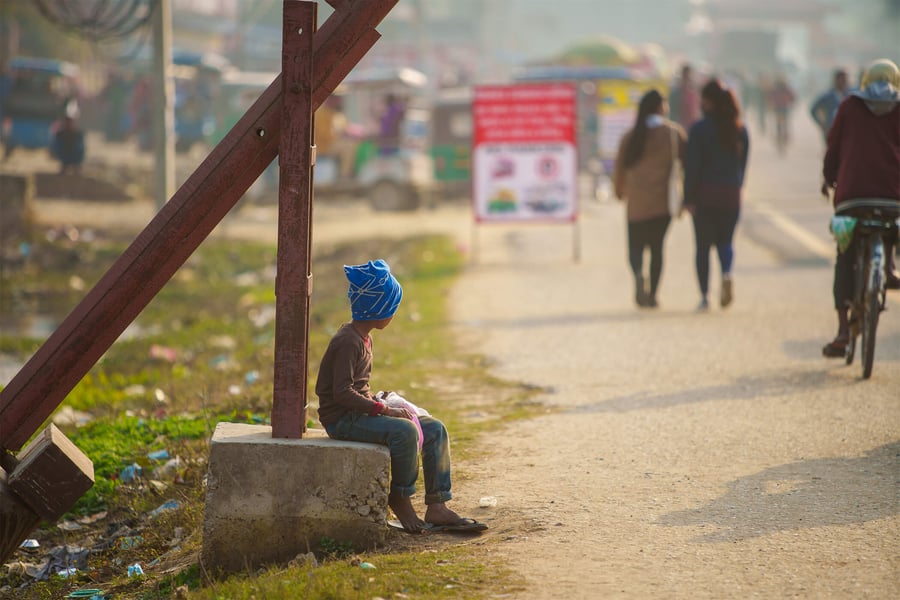
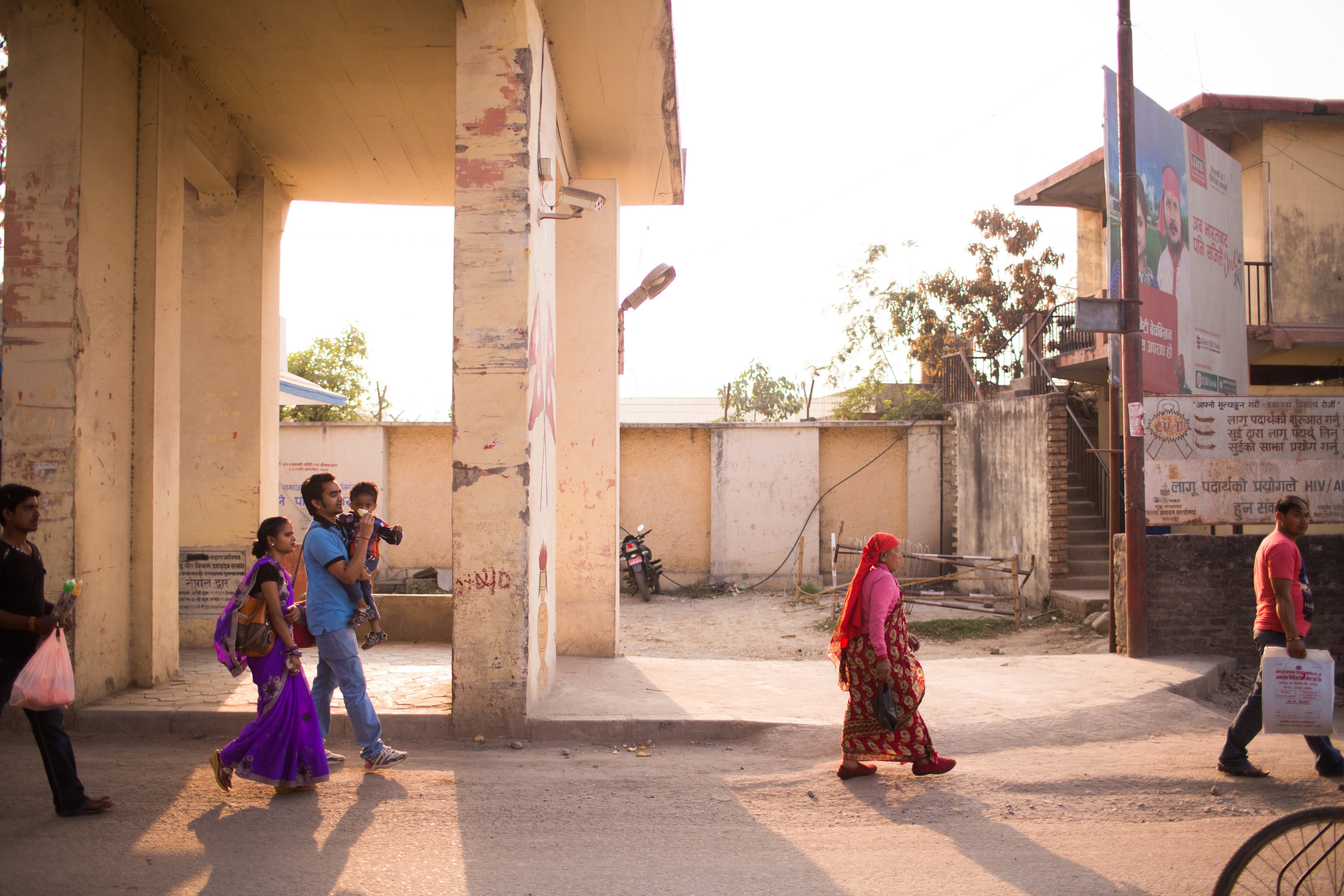
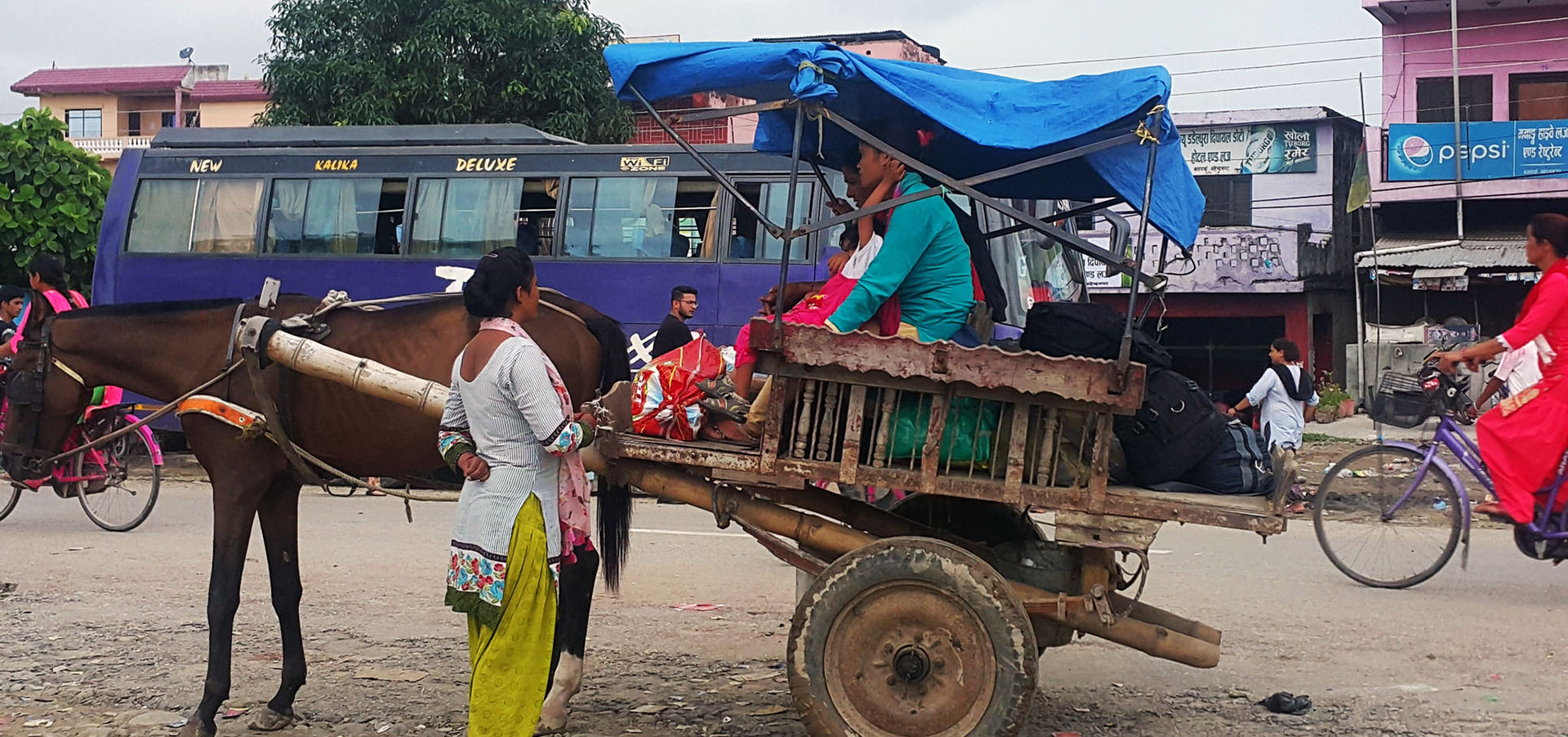
In reality, trafficking most often happens in plain sight.
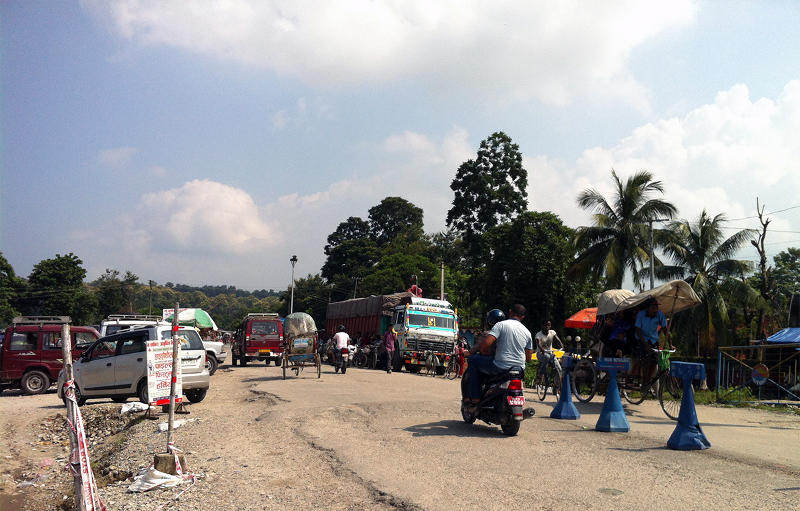
At bus stations.
On train platforms.
At border crossings.
Along well-traveled roads where people pass every day without noticing what’s unfolding.
Trafficking succeeds not because it is invisible—but because it is normalized. It looks like travel. Like work. Like opportunity. Traffickers rely on the fact that no one is paying close attention.
What it looks like to intervene earlier
That gap is where Love Justice International focuses its work.
Instead of waiting until exploitation occurs, Love Justice concentrates on prevention at transit points—the precise moments when traffickers attempt to move people from vulnerability into slavery.
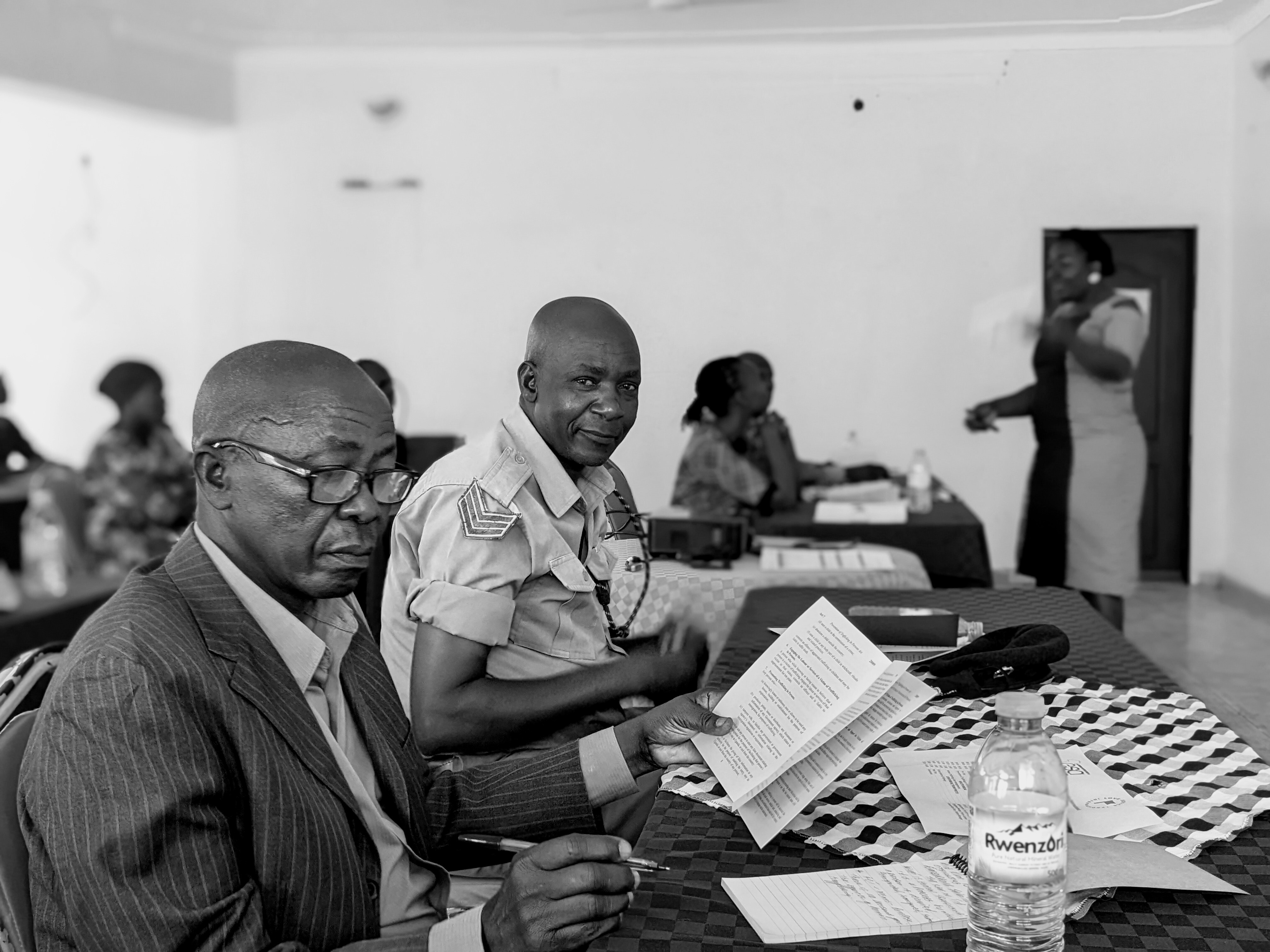
Trained local monitors stand in busy transit hubs and look for subtle red flags: inconsistent travel stories, fear or confusion, adults speaking for minors, or plans that don’t add up. When risk is identified, staff intervene—asking questions, verifying details, and involving authorities or families when needed.
Intercepted individuals may receive short-term shelter, education about trafficking risks, and safe reunification with their families.
The cost to intercept one potential victim: $112.
Over time, this approach has led to the interception of more than 100,000 people before exploitation could occur—and to over 2,000 arrests, dismantling trafficking networks piece by piece.
As Molineux notes, “Each intercept not only saves one life but also disrupts trafficking systems themselves.”
Small disruptions, systemic change
At a busy railway platform in India, Love Justice monitors noticed a teenage girl traveling with an older young man. Both appeared nervous, and the girl struggled to explain where she was going or who she would be staying with.
When monitors spoke with her privately, it became clear she was a minor who had left home without her parents’ knowledge after a family conflict. She did not know her final destination and had no ticket or travel plan. The man accompanying her initially provided false information about their relationship.
Recognizing the risk, monitors intervened, contacted the girl’s family, and ensured she was safely returned home—preventing her from continuing into a situation that could have led to exploitation.
This is how prevention works.
Every interception generates intelligence. Every arrest raises the cost of doing business for traffickers. Every visible intervention makes exploitation riskier and less profitable.
Like a police car slowing traffic on a highway, the presence alone changes behavior.

Why Epstein still matters—and why he’s not enough
The world was right to focus on Epstein. His crimes revealed how power can shield abuse.
But if our concern stops with sensational cases, we miss the larger truth: trafficking continues not because it is hidden, but because it is allowed to operate where it looks ordinary.
If we want to confront human trafficking at scale, we must focus less on rare villains and more on everyday systems. That means shifting attention, resources, and urgency to the places where exploitation actually happens.
Read the full commentary
This article builds on Molineux’s original opinion piece published by Religion News Service, which explores these themes in greater depth.
Read the full RNS commentary here: “Jeffrey Epstein was the exception. Here’s the rule in human trafficking.”
Ending trafficking doesn’t start with uncovering the most shocking stories, but rather with seeing the ordinary ones and stopping them before they become tragedies.
*All data and statistics current at the date and time of publishing. Names changed and some specific locations excluded for privacy and security purposes.



/bimala_feature_blog.webp)
/young_woman_asia.webp)





/Nepali_girl_2-1.webp)

/end_human_trafficking_girl_asia_love_justice.webp)
/48039119848_54d4c1e6a3_z.webp)
/help_end_human_trafficking_south_asia_streets_love_justice.webp)




Post a comment