-1.png?width=500&height=500&name=LJI_MAINLOGO_WhiteBackground%20(1)-1.png "love-justice.png")
Based on a true story.
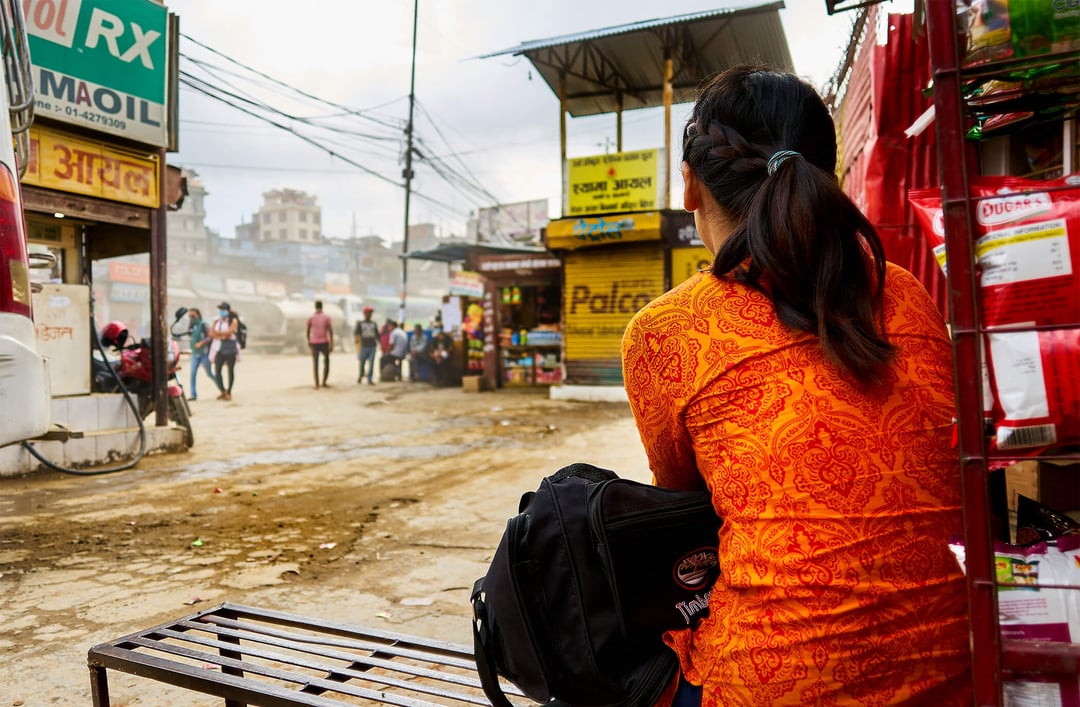
Farah* hung up the phone and clutched it tightly in her lap, head spinning. Bus engines rumbled around her at the station, the smell of exhaust heavy in the air, and a few passengers nearby argued loudly about the right way to load their bags—but the 15-year-old didn’t appear to notice anything around her.
“If you do not go willingly, you will be taken forcefully.”
The threat echoed in her mind a dozen times as she sat perfectly still on the bench, sweat running down her back beneath her dress.
Two months prior
“He helped my cousin’s friend get a job last month,” Mina said seriously. “You should call him.”
Mina was Farah’s best friend. Both girls had stopped attending school three years prior to help out more at home, but they still crossed paths every week at the local market.
Mina knew better than anyone the toll poverty was taking on her friend. It seemed dullness was slowly taking over—the color gone from her cheeks, the shine gone from her hair, even the laughter gone from her lips.
The last one hit the hardest. Mina wanted nothing more than to hear Farah laugh again.
A questionable opportunity
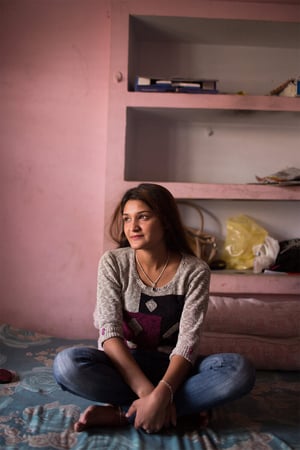 Farah called the number Mina gave her as soon as she got home, discreetly so her parents wouldn’t see. Her older brother had moved away last year to start a job in the city, and though they never asked him to go, she saw firsthand the small relief it afforded them.
As a girl in Bangladesh, she would also be expected to marry in a few years. She’d already overheard her parents in hushed tones discussing how they would pay the dowry.
Kamal* answered her call and assured her he did have a good job for her. He worked at a hotel in Dhaka, the capital, and explained she could live there for free and work as a cleaner, earning 30,000 BDT per month (the equivalent of $245).
She didn’t know that was triple what most hotel cleaners in the area made.
“I don’t have the money to travel there,” she said. “But I’m a good worker. I can make up for it.”
“Don’t worry, I will send money for a bus ticket,” Kamal assured her.
Her parents would have stopped her if they had known.
Unexpected changes
Farah boarded the bus full of hope. The four-hour ride flew by as she dreamed of simple things: bills paid, food on the table, clothes without holes.
Nothing could have prepared her for the overstimulation of arriving in a big city for the first time. She kept her chin up and her expression cold, determined not to let anyone know how bewildered she was by the sounds and colors all around. 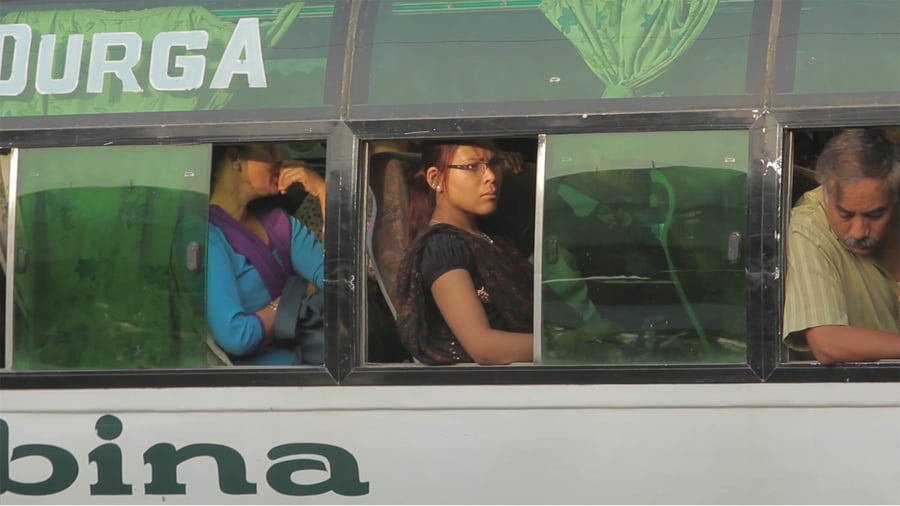
I’ve adapted to every other change in my life, she thought. I can do this. She sat down on a bench, took a deep breath to calm her nerves, and called Kamal.
“Actually,” Kamal said slowly, drawing out the syllables. “There isn’t any work for you in Dhaka after all.”
Farah felt like she’d been punched in the gut. “What do you mean?”
“Yeah, sorry, it didn’t work out. But I have a job for you in Jamalpur instead,” he said. Jamalpur was another four hours away.
Farah tensed, jaw hardening. “That’s not what you told me before.”
“I have friends coming to pick you up there soon. They will take you to Jamalpur,” said Kamal.
“No,” said Farah. “I don’t want your help anymore. And I’m not going.”
“If you do not go willingly, you will be taken forcefully.”
Critical timing
To the untrained eye, Farah was just a girl waiting for a bus in one of the biggest cities in the nation.
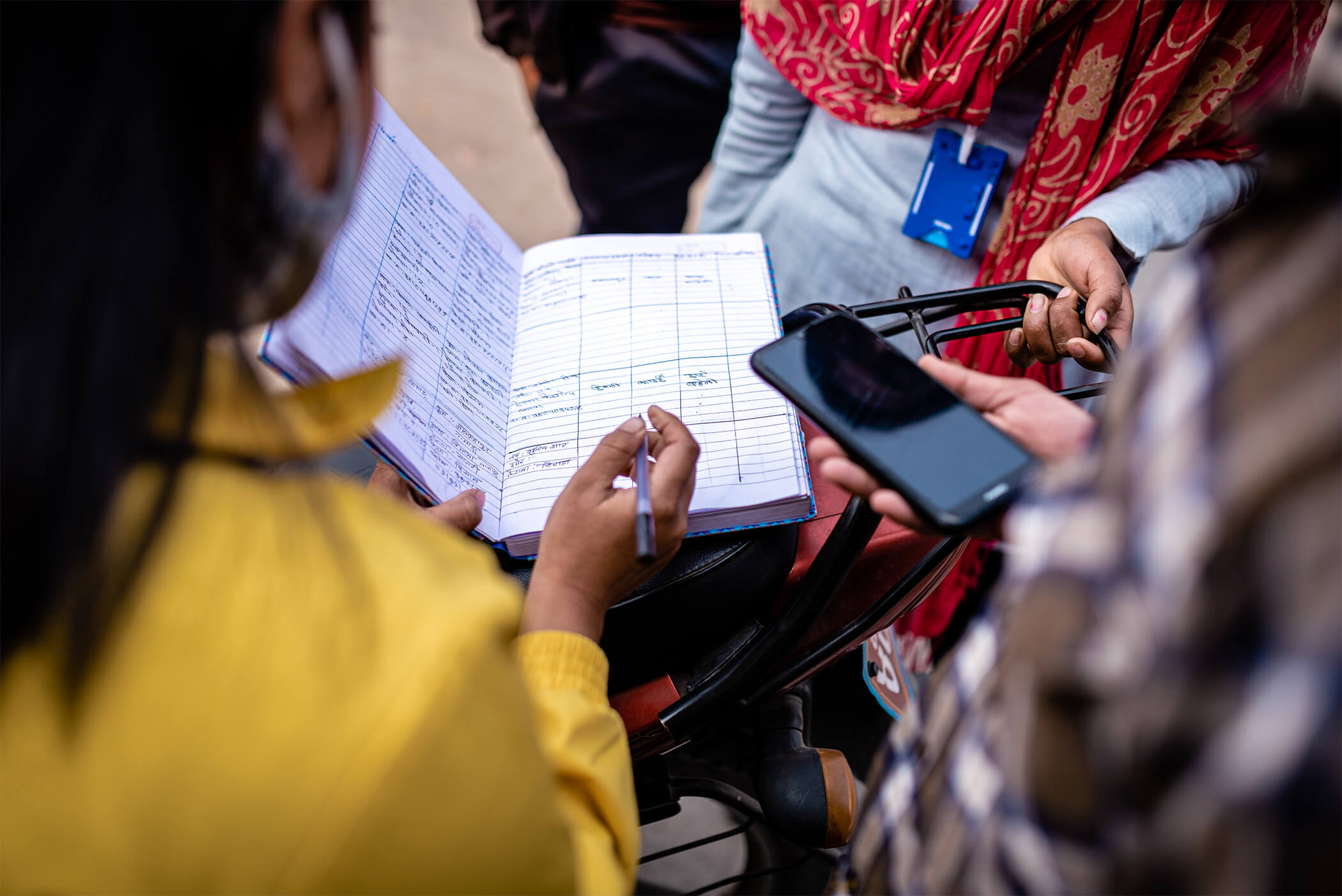
But to a Love Justice monitor, her village clothing stood out. She was too young to be alone in the city so far from home. Maria* caught the momentary look of bewilderment as Farah disembarked her bus and saw the girl’s stony expression as she hung up the phone. She noticed her knuckles whiten around the phone in her lap, and recognized the intense stillness in her posture of pretending everything was okay.
Other passengers pushed past with their own buses to catch and appointments to keep, but Maria was there for this purpose alone, specially trained to spot these subtle red flags.
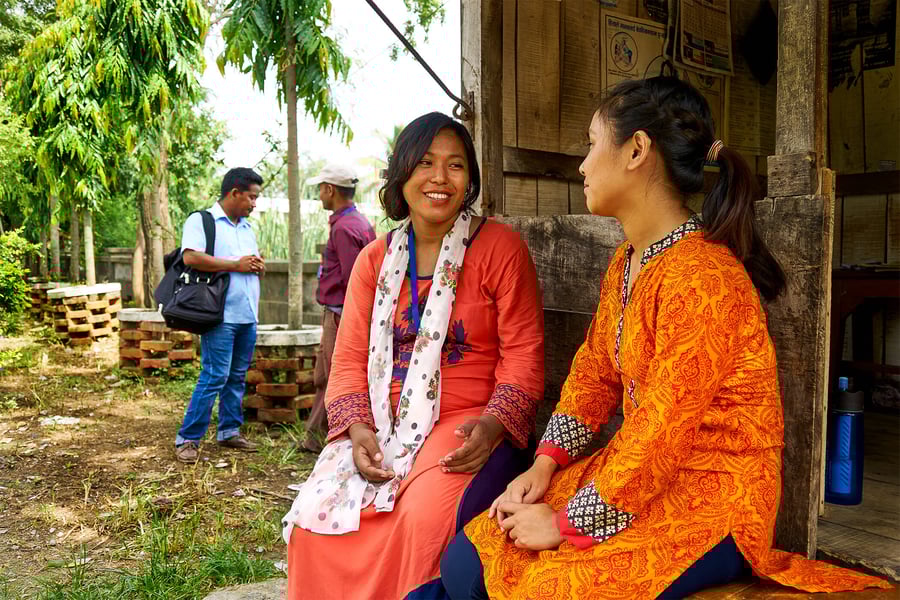
She approached the girl to ask questions—just in time.
Going home
When Maria called Kamal to investigate the job offer, she was surprised to learn that he knew who she was.
“I will not come. You would arrest me if I did,” he said before switching off his phone—confirming Maria’s suspicions about potential human trafficking.
In the end, Farah’s brother picked her up and delivered her safely home to their parents, who were greatly relieved to see her again.
“Sweetheart, why did you leave without telling us?” they asked sadly.
Farah sighed deeply. “Because I am tired of being a burden on you when we don’t have enough money. It’s time for me to contribute more.”
“You’ve never been a burden, darling. You are a gift to your mom and me,” her dad said, eyes wet with tears. Farah had rarely seen him express such emotion. “I know things have been tight, and I’m sorry for how it’s affected you,” he continued. “But we’ll get through it together, as a family.”
The following week when Farah went to the market with Mina, she did something she hadn’t done in months. She laughed.
More daughters and sons home safe
This is what your giving accomplishes—allowing monitors like Maria to be in the right places at the right moments to help people like Farah get home safely before it’s too late.
While this story is creatively dramatized, its facts are true. Farah is based on a real 15-year-old who was intercepted a few weeks ago, on December 14. It’s one example of over 100,000 lives protected from potential slavery.
There are more bus stations, borders, and airports left unguarded. We dream of being able to station monitors in more strategic transit locations to protect more lives, until human trafficking ceases to prevail over our world.
Protect freedom today by giving at the button below. Thank you for fighting injustice with us!
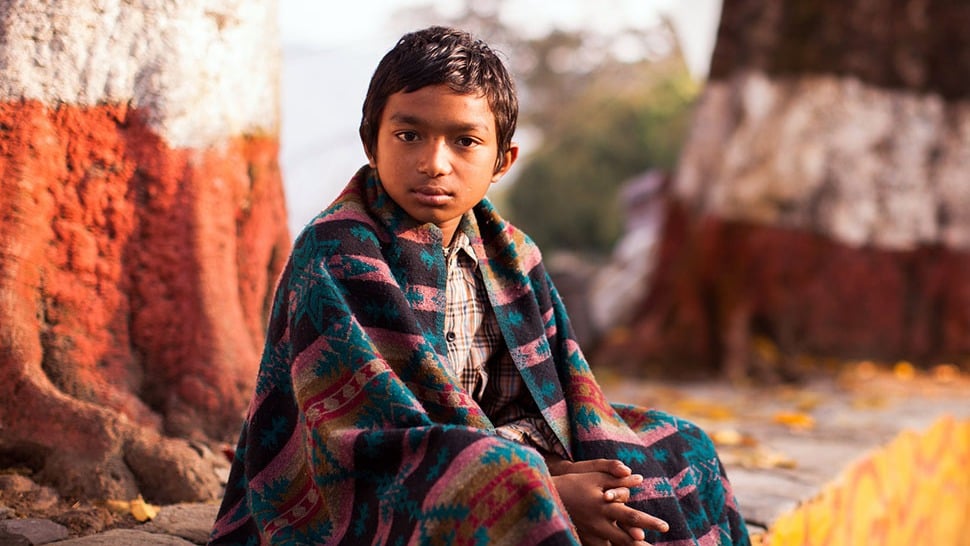
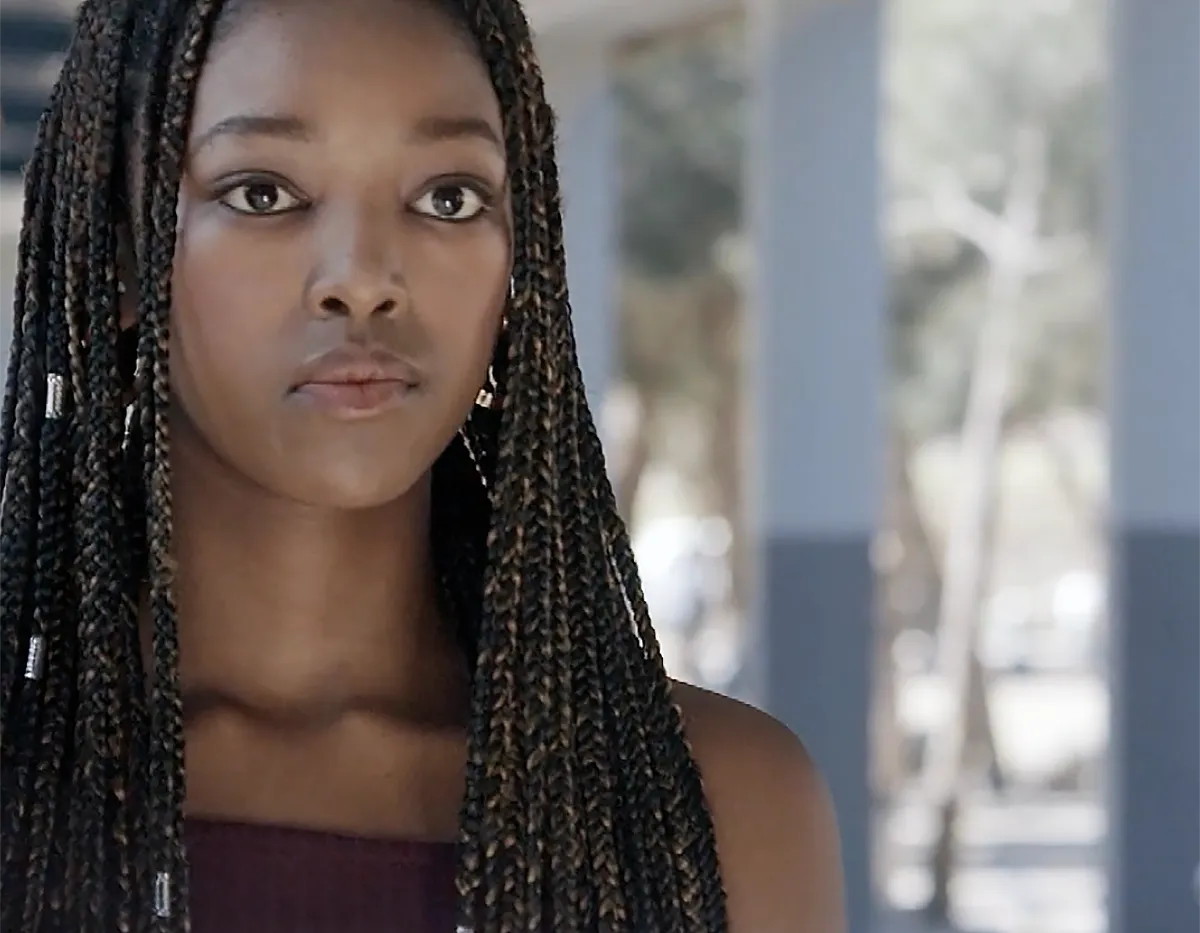
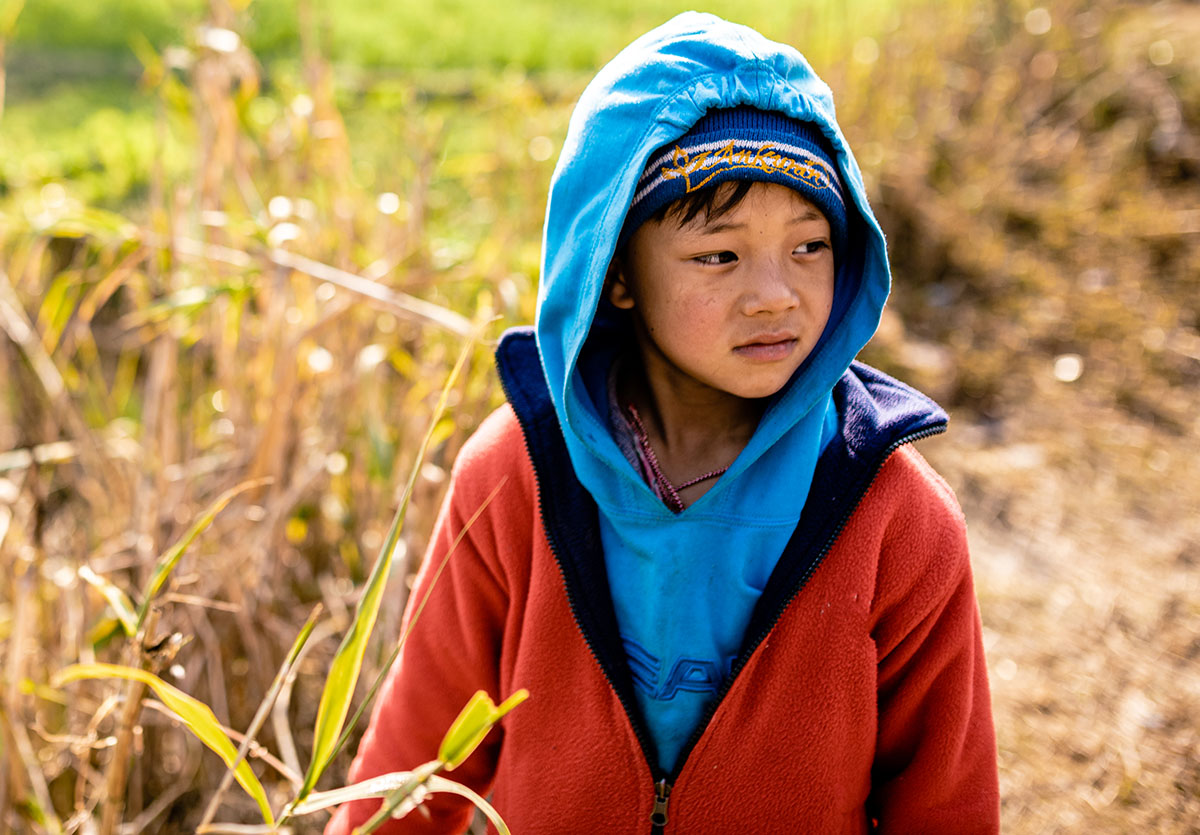
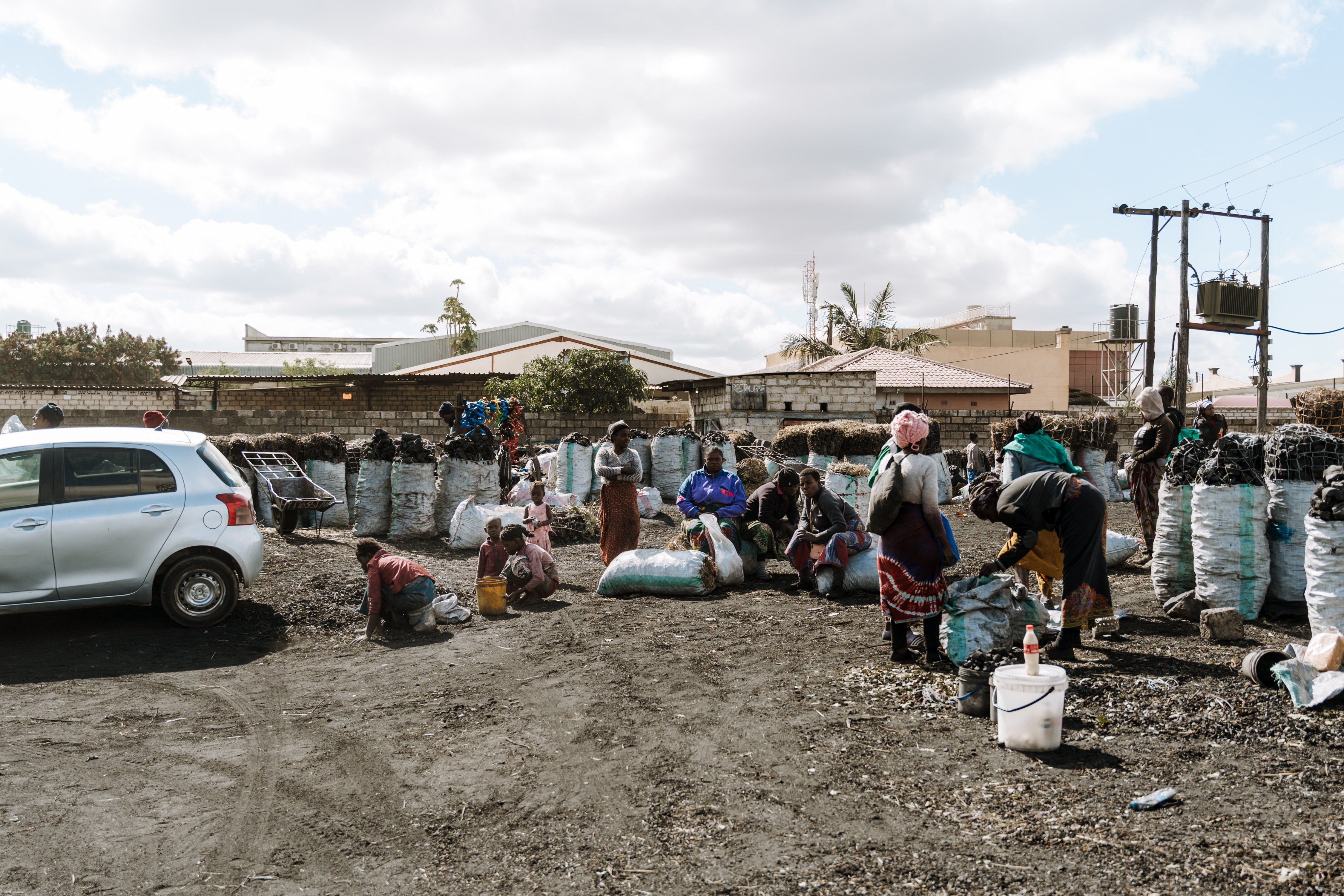
*All data and statistics current at the date and time of publishing. Names changed and specific locations excluded for privacy and security purposes. Images are representative.

/bimala_feature_blog.webp)
/young_woman_asia.webp)



/africa_benin_truck.webp)
-1.jpg)
/southafrica1-1.webp)



Post a comment