-1.png?width=500&height=500&name=LJI_MAINLOGO_WhiteBackground%20(1)-1.png "love-justice.png")
If you’re a parent in the United States, you’ve probably heard alarming claims about human trafficking—especially online.
Stories about kidnappings, large events like the Super Bowl, or hundreds of thousands of missing children can make it seem like trafficking is everywhere—and that your kids are at constant risk.
But much of what’s circulating isn’t always accurate. And here’s the hard truth:
Misinformation about human trafficking doesn’t just cause confusion—it actually harms real victims.
As people of faith, we believe we are called to stand against injustice—but we can only do that well when we are grounded in truth, not fear.
What Do We Actually Know?
Before diving in, it’s important to acknowledge something: Human trafficking is difficult to measure.
It doesn’t happen in plain sight, but in the dark, in hidden ways, so global estimates vary. But even with limited data, we can begin to understand the bigger picture.
Here’s what we do know about the United States:
- The Global Slavery Index estimates 1,091,000 people living in modern slavery in the U.S.
- That translates to 3.3 people per 1,000—a relatively low prevalence globally.
- Polaris identified 16,554 likely victims through hotline cases in 2021.
- About 48% of victims were U.S. citizens, with many others from Latin America and the Caribbean.
It’s also true that certain populations—especially migrant and unaccompanied minors—face heightened vulnerability.
So trafficking does exist in the U.S. But the bigger question is:
Is the U.S. One of the Worst Countries for Trafficking?
Short answer: No.
Globally, the U.S. looks very different than many people assume. According to the Global Slavery Index, the United States ranks:
- 122nd out of 160 countries in prevalence, but
- 2nd in the world for government response.
That means trafficking is present, but it is less common than in most countries AND the U.S. has one of the strongest systems in the world to respond to it. We share a deep dive on this data here.
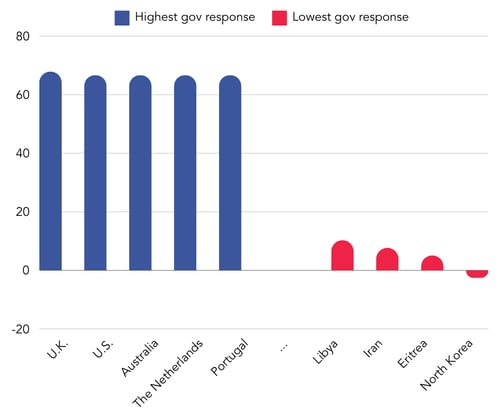
Globally:
- The highest-prevalence countries have 15+ people per 1,000 in slavery.
- The Asia-Pacific region alone accounts for 29.3 million people in modern slavery.
The U.S. is much closer to the lowest-prevalence countries than the highest.
Why the Confusion?
If the U.S. isn’t one of the worst, why do so many people believe it is?
In Don Quixote, the main character mistakes windmills for giants and charges into battle to fight them.
Our CEO uses this as a picture of what’s happening today: When we misunderstand human trafficking, we end up “fighting windmills”—focusing on things that aren’t actually trafficking.
And when that happens:
- Real victims are overlooked.
- Resources are misdirected.
- Traffickers face less resistance.
Most people spreading alarming claims are doing so because they care. But when concern is driven by fear and not based on truth, it can unintentionally pull attention away from where it’s needed most.
Common Myths That Distract From Reality
Here are a few examples of widely shared claims that don’t reflect how trafficking actually works:
❌ “Hundreds of thousands of children are trafficked each year in the U.S.”
This number comes from total missing child reports—not trafficking cases. Most of these children are found quickly and were never trafficked.
❌ “Big events like the Super Bowl cause spikes in trafficking.”
There’s no solid evidence supporting this claim; we busted this myth a couple of months ago here.

❌ “Most trafficking involves kidnappings by strangers.”
In reality, this is extremely rare. Trafficking usually involves manipulation, deception, or abuse of vulnerability—not dramatic abductions.
Why This Matters for Your Family
Many parents are led to believe their children are at high risk of being kidnapped and trafficked by strangers. That’s simply not how trafficking typically works in the U.S.
The greatest risks to children are:
- Online exploitation
- Manipulation by someone they know
- Situations of vulnerability (runaways, instability)
Understanding this helps you protect your family wisely—not fearfully. And for many of us, that also means entrusting what we cannot control to God, while taking wise and informed action where we can.
Why Love Justice Works Internationally
This leads to a common question: Why doesn’t Love Justice fight trafficking in the U.S.?
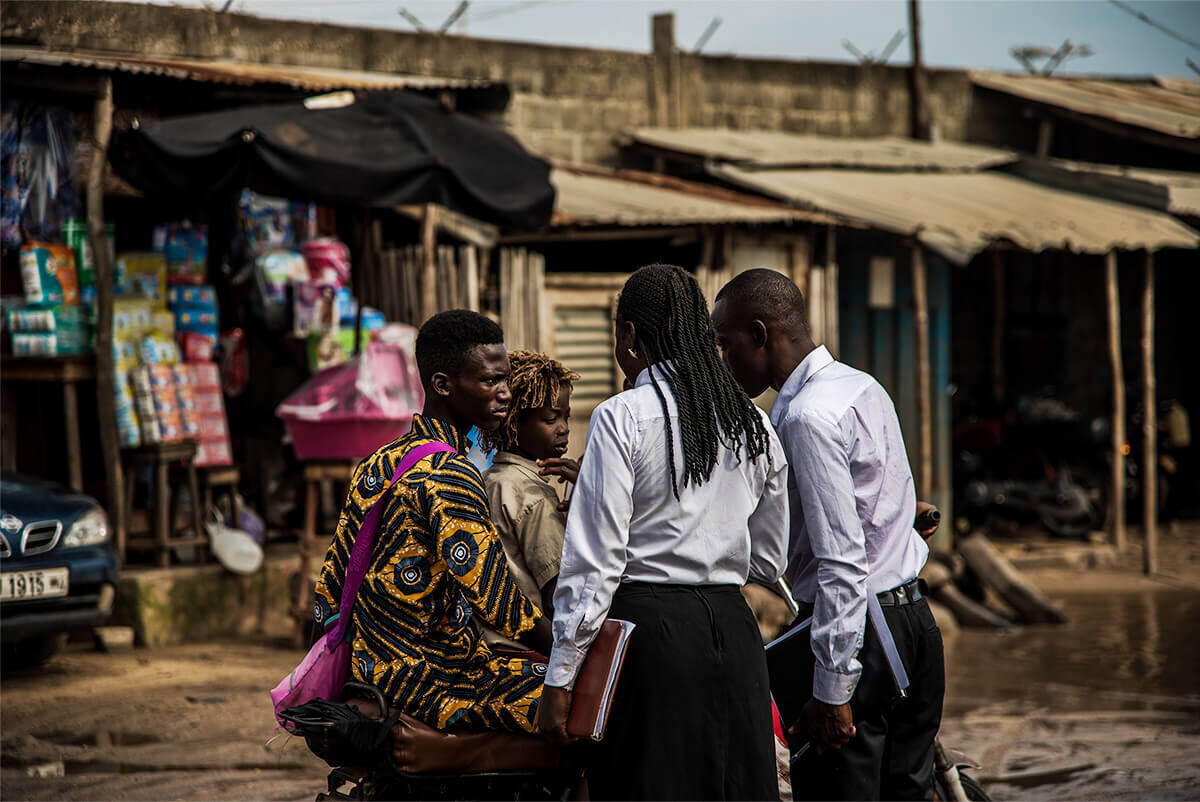
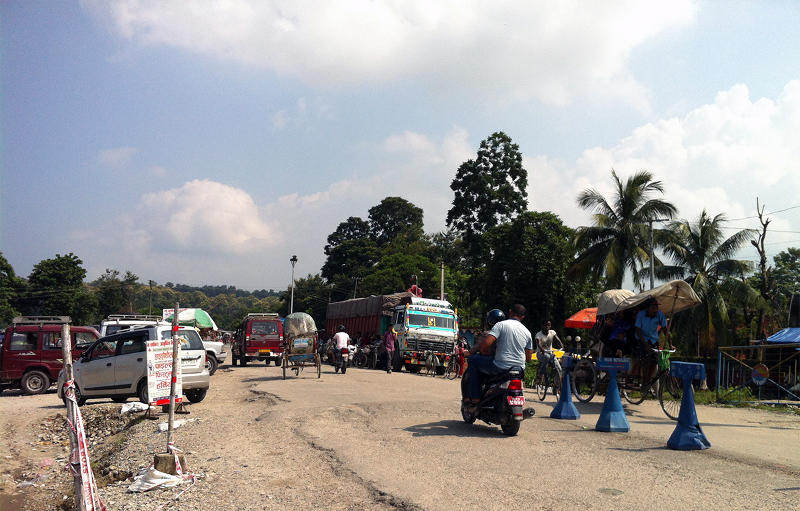
Because trafficking looks very different globally. In many countries where we work:
- Victims are deceived and transported across borders.
- They are physically controlled and unable to leave.
- Protections are weaker and vulnerability is higher.
This is where interception—our core work—is most effective.
We focus where:
- Trafficking is actively occurring.
- People are most vulnerable to deception and coercion.
- And where we are positioned to step in at the critical moment—before exploitation begins.
We believe this is part of our calling—to go where the need is greatest, and where we can make the most possible impact with the dollars we’ve been entrusted with.
As our founder and CEO, John Molineux, puts it:
“Even one child being trafficked is too many … but that is all the more reason to make the greatest impact we can with our resources.”
The Bottom Line
Human trafficking is real. It is horrific. And it is worth fighting with everything we have.
But to fight it well, we have to understand it clearly. When we focus on myths, we end up fighting windmills. When we focus on reality, we can actually stop traffickers.
Because the truth is, the fight against human trafficking isn’t won by fear. It’s won by data-driven clarity, precision, and effective action. And ultimately, it is sustained by the power of God at work through prayer.
Because Jesus has already defeated darkness and death, we don’t fight from a place of fear—but from a place of hope.
What You Can Do
- Learn from trusted, field-based organizations.
- Be cautious about viral statistics.
- Focus your support where it has the greatest impact.
Right now, in many of the countries where we work, it costs less than $112 to prevent one person from being trafficked.
When you give to Love Justice, you stop slavery before it begins. Because real impact doesn’t come from reacting to fear. It comes from pursuing truth, acting on it, and investing where it matters most.
Give today to join us.


/bimala_feature_blog.webp)
/young_woman_asia.webp)


/love_justice_africa_girls.webp)
/police_uganda.webp)



Post a comment