-1.png?width=500&height=500&name=LJI_MAINLOGO_WhiteBackground%20(1)-1.png "love-justice.png")
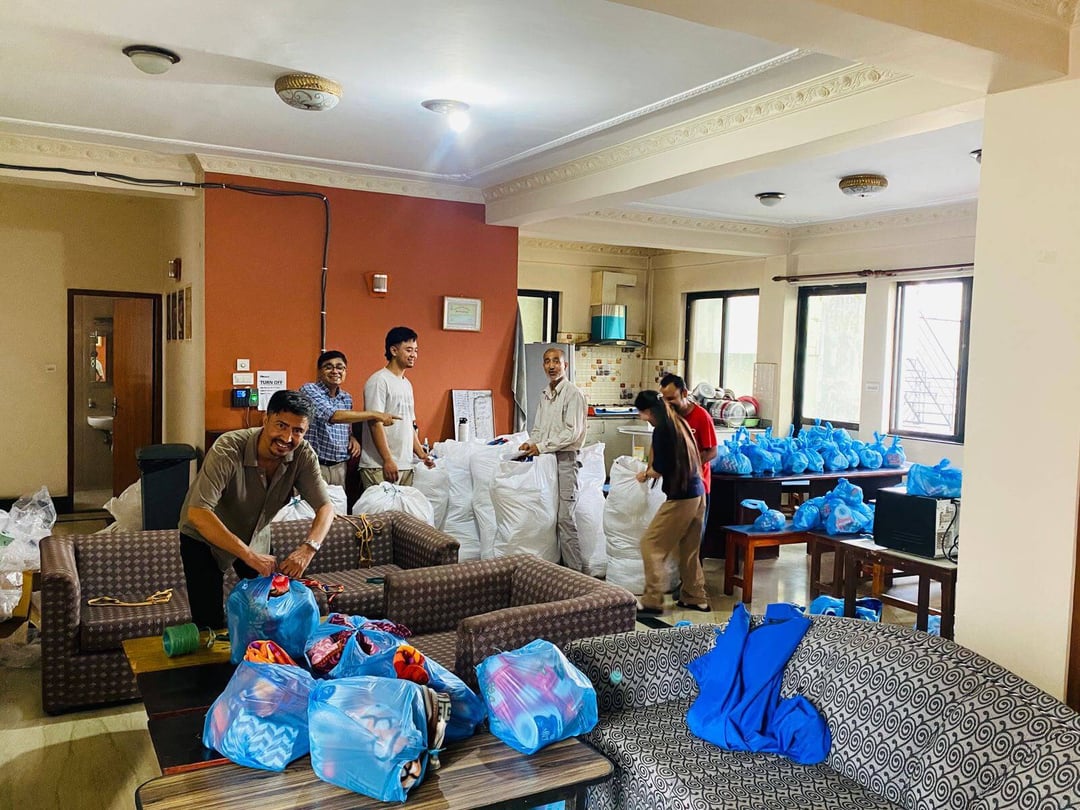
Last month, flash flooding tore through the Nepal-China border region, centered on the Trishuli River corridor and the Rasuwagadhi crossing. Glacier collapse triggered a chain of flooding and debris flows that swept away roads, bridges, market areas, and entire sections of border infrastructure in minutes. As of the most recent reporting, at least 1,386 people have died in Nepal and more than 5,000 remain missing—and in the hardest-hit districts, some villages went over two weeks without any road or helicopter access at all.
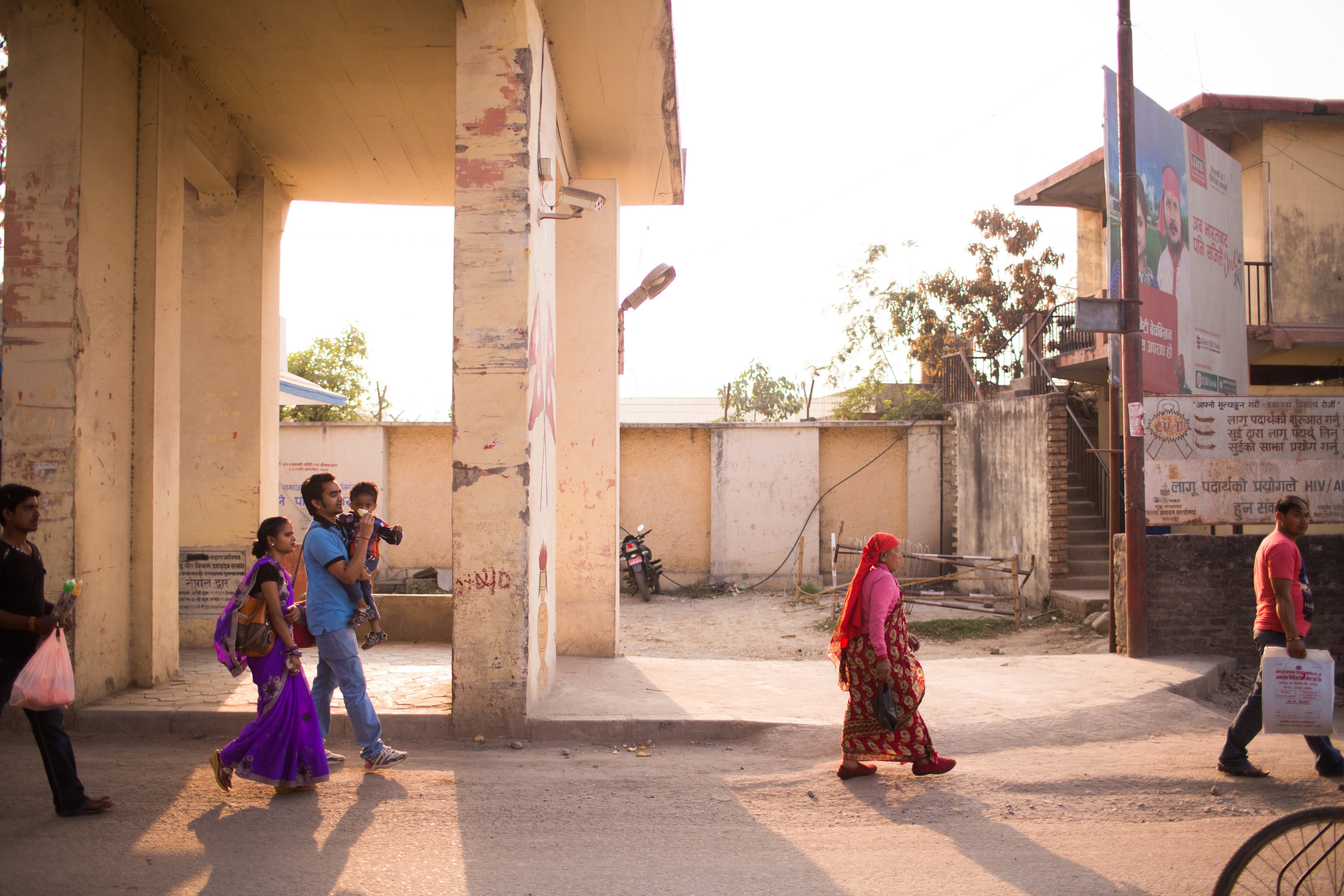
This is personal for us because Nepal is where Love Justice's work began, and in years past, our monitors stood watch at a station along this same border region—a known trafficking corridor. Life is already fragile in these districts, long before a disaster hits.
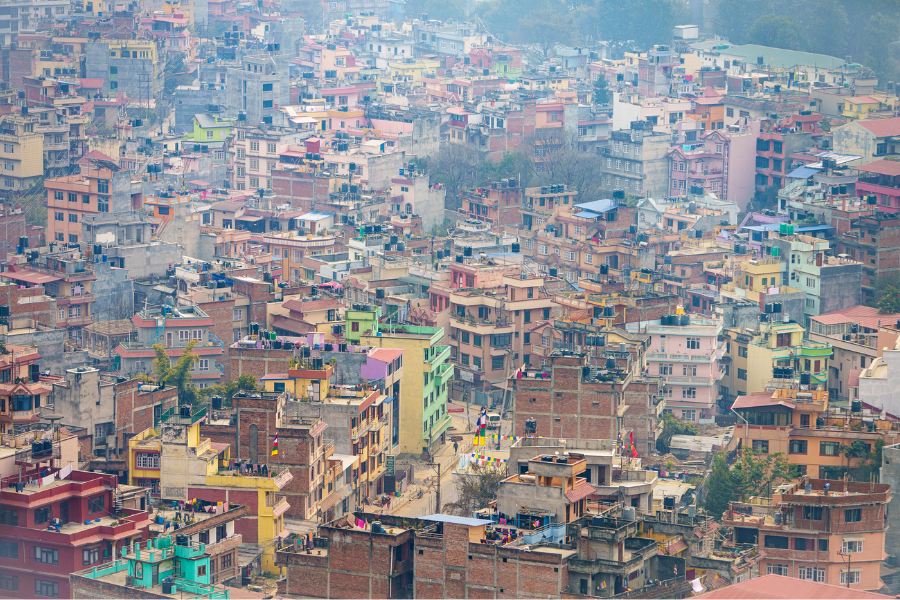
Disasters like this don't just destroy roads and homes. They destroy steady income and intact families—the things that keep people safe from traffickers in the first place. After Nepal's 2015 earthquake, aid organizations widely reported a rise in trafficking risk in the months that followed, as displaced and debt-burdened families became targets for people posing as helpers, employers, and rescuers. We have no confirmed evidence yet that the same pattern is repeating after this flooding, but the pattern is real, and we're watching closely.
What your giving has already done
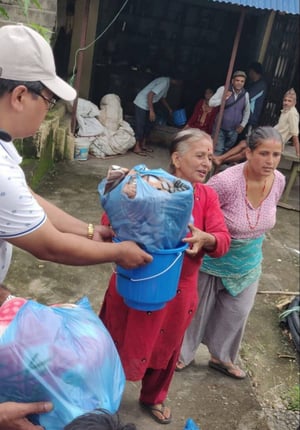
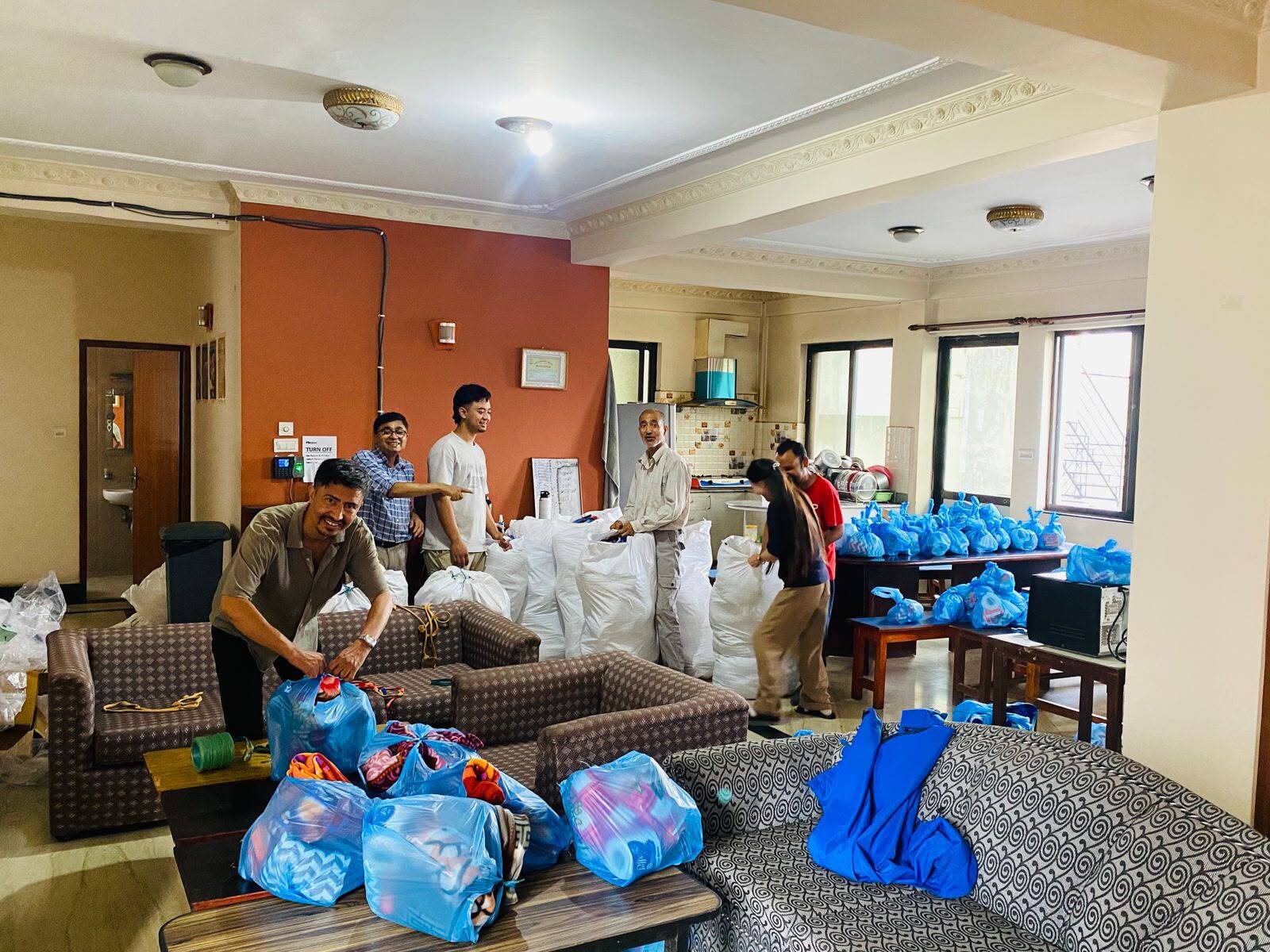
Because people like you responded quickly, our team has already delivered a month's supply of food to 70 displaced families in Bidur Municipality, and hygiene kits and blankets to 200 families in Belkot Municipality—two of the hardest-hit areas in Nuwakot district.
None of that happened easily. You sacrificed to give first, and then getting there meant staff and trusted partners choosing to travel despite real uncertainty around safety and road conditions, in a region where landslides and washed-out bridges were still an active risk. We're thankful for their safe travel, and for the fact that this relief reached the families who needed it. This is worth celebrating! Thank you, Love Justice family.
The danger isn't over
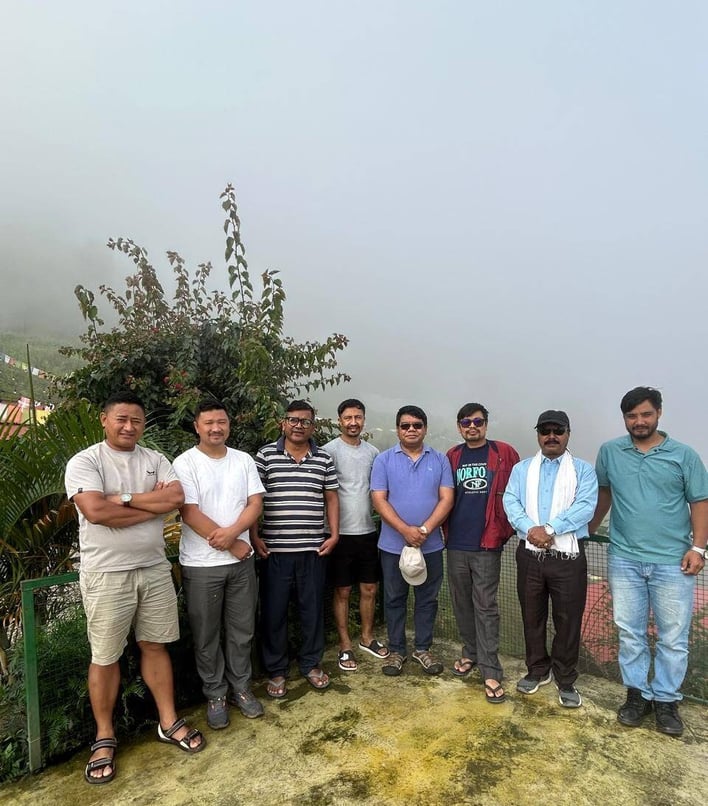
Families who've lost everything are easy targets for traffickers pretending to offer help, jobs, or safety. This is exactly the kind of moment they wait for. When crisis hits, people move—and as we see in transit monitoring every day, when people move, traffickers strike. That's why we're ramping up transit monitoring in and around these communities for the foreseeable future, so our teams can reach vulnerable people while they're most exposed. Learn more about our transit monitoring strategy here.
Ways to pray with us
We believe that prayer plays a major role in the eradication of injustice, and we invite you to commit to pray with us. Please join us in specific prayer:
- For continued safety for our staff and the families they're reaching, as monsoon rains continue to threaten already-damaged roads.
- For wisdom in what comes next, as we figure out how to reach the people still waiting for help.
- For more information to guide us toward others in these districts who haven't yet been reached.
Because of your giving, more help is on the way
We're in ongoing conversation with our trusted local partners in Nepal about where help is still needed most, and your support is what lets us respond the moment they tell us. Thank you for standing with us in this region, and always.

/bimala_feature_blog.webp)
/young_woman_asia.webp)



Post a comment