-1.png?width=500&height=500&name=LJI_MAINLOGO_WhiteBackground%20(1)-1.png "love-justice.png")

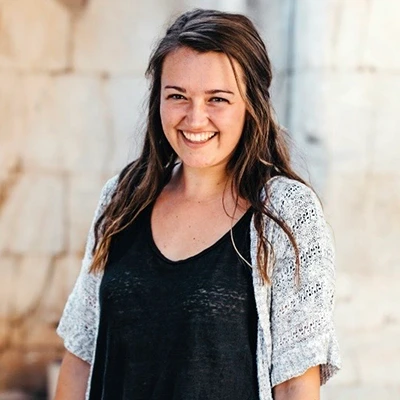
Sharon is a joyful, hardworking, impactful monitor on one of our teams in Uganda. You might not guess it from her smile and the light in her eyes, but this young woman was once trafficked into domestic slavery in Oman and nearly died before she came to work with Love Justice.
Domestic slavery happens when a person is recruited for a job as household help but then is trapped in exploitative conditions. It’s common in the Middle East, where the kafala system leaves migrant workers’ legal status in the hands of their employers, creating a power dynamic rife with exploitation.
One report from 2022 estimated 1.4 million people are trapped in domestic slavery. Many of these people never see their homes again.
Sharon was one of the lucky ones who made it back.
Sharon’s story
In 2018, Sharon’s friend recommended a job.
“I was so desperate, you know, life can be so hard here in Africa,” she said.
The recruiter she spoke with on the phone sent her to the border of Uganda, where a man waited to take her luggage and passport.
This is the point where our monitors would typically step in, but this happened a mere two months before Love Justice Uganda opened its first station.
The man at the border told Sharon not to talk to anyone, and she crossed the border with nothing in hand.
“I didn’t see my passport again,” she said.
 From there, a van drove her for some 12 hours until they reached a warehouse in the dark hours of the morning. The crowded warehouse was full of other young girls waiting to be sent to their jobs in various countries.
Even though the travel arrangements seemed odd—always traveling by night, being handed off to different people along the way, having her passport taken from her—Sharon didn’t think to be suspicious. She was focused on the opportunity ahead of her, and if this strange process would bring her to a good job, it was well worth it.
Four days later, again under the cover of night, she boarded a plane to her new job in Oman.
“I was so excited. Every person who has never boarded a plane, you feel so excited,” she recalled.
She found other Ugandan girls on the flight, and together they shared their enthusiasm and hope for their new adventures. When they landed, men stood holding signs with their names and photos, and it felt like a warm welcome to this new country.
But when Sharon arrived at the house she’d be working at, she immediately realized it would be far more difficult than she had imagined.
A hopeless situation
The house had some 20 people living in it, seven of whom were children. There were ten bedrooms and seven bathrooms, and her job would be to clean all of it, every day. She’d be washing laundry for all the people in the house, ironing, doing dishes, scrubbing the rooms, and more. Right away, as they were telling her what she would be doing, one of the children came and spat on her.
Her new employers woke her up at 4:00 a.m. that first morning to begin.
“The work was so much. I was like, ‘Will I really manage this kind of work?’” she said.
 In spite of the overwhelming workload before her, Sharon was motivated to do her best and tried to stay positive. Her mother back in Uganda was sick, and as the oldest child, she felt a responsibility to earn enough to cover the treatment and care for the rest of her family too.
But it wasn’t long before Sharon fell ill herself. Her blood pressure skyrocketed to a hypertensive emergency state, but her employers demanded she work until she paid off the debt from her travel arrangements.
She continued working, but she prayed too.
“Life was so hard. All of it, it was so hard. I felt my life was deteriorating every day, day in, day out,” she said.
Sharon isn’t the only monitor to have been trafficked through domestic slavery in Oman. Listen to Victoria’s story on our podcast.
Eventually, her employers took her back to the labor office where she came from and requested a replacement since she was struggling to work. The office told her employers to leave her there for a few days and see if she recovered.
Even in her sickness, Sharon wanted to work. She knew she had not yet earned enough money to take care of her mother and the rest of her family back home. The office sent her to a smaller house to work.
With just three bedrooms, Sharon thought she could handle the workload of this new house. But the owner of that house did not want Sharon to sit down for even one minute. She would dump all the clothes Sharon had ironed onto the floor and tell her to do it again.
Her health continued to worsen.
Sharon prayed to God, “Let me go back to Africa. I would rather suffer from my home.”
The labor office told her that if she wanted to go home, she had to call people in Africa to fund the ticket. Sharon knew that no one back home had that kind of money.
She was stuck there, severely sick, with no way out and no access to the medical care she needed.
Answered prayers
But God was listening to Sharon’s prayers. In an extremely rare circumstance, her first employer canceled her visa to Oman and paid for her flight home.
To be clear, this is highly unusual. Most girls recruited for this work only return home in body bags or through anti-trafficking efforts. But for whatever reason, this man had compassion on Sharon and provided a way for her to go home.
 “It was a miracle, indeed it was,” she said.
Though immensely relieved to return to Uganda, it would still be a long journey to healing for Sharon. She spent two weeks in the hospital recovering upon arrival. She was unrecognizable—her face, hands, and feet had swollen severely, and her skin had turned very dark. It took time to recover and gain her health back.
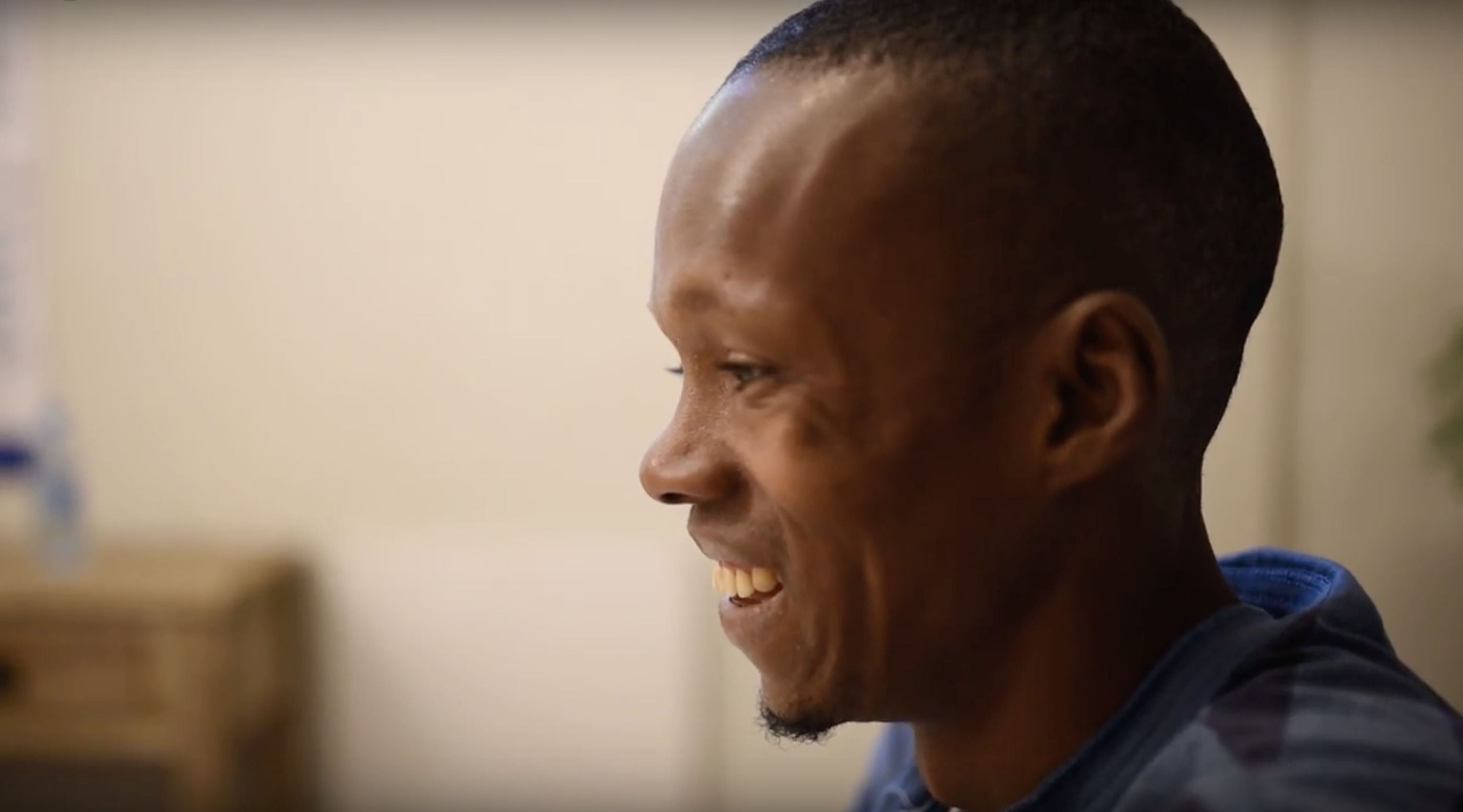
Five months later, she heard about Love Justice and joined the team. Today, she works alongside another survivor, Claire, fighting human trafficking. (Pictured: Sharon)
“That’s why I am doing this job with a lot of passion, because I know what it means to suffer,” she said.
Ripple effect
At the time of this writing, Sharon has personally helped intercept 2,213 individuals, stopping them from experiencing the hardships of a life in slavery. This one life impacted has now impacted thousands of others.
Have you ever thought human trafficking was too big of an issue to really make a difference in? Let Sharon’s story be an encouragement to you. Don’t underestimate the impact of changing just one life.
Stories like Sharon’s remind us why this work matters, and they’re only possible because of people who choose to stand with us.
If this work resonates with you, we’d love to invite you to be part of this far-reaching ripple effect of freedom. It costs us just $112 to stop one person from being trafficked.
Give the gift of freedom this holiday season.
*All data and statistics current at the date and time of publishing. Last names and some locations excluded for privacy and security purposes.

/bimala_feature_blog.webp)



/covid_19_monitor_africa.webp)
/Nepali_girl_2-1.webp)
/48039119848_54d4c1e6a3_z.webp)




Post a comment